

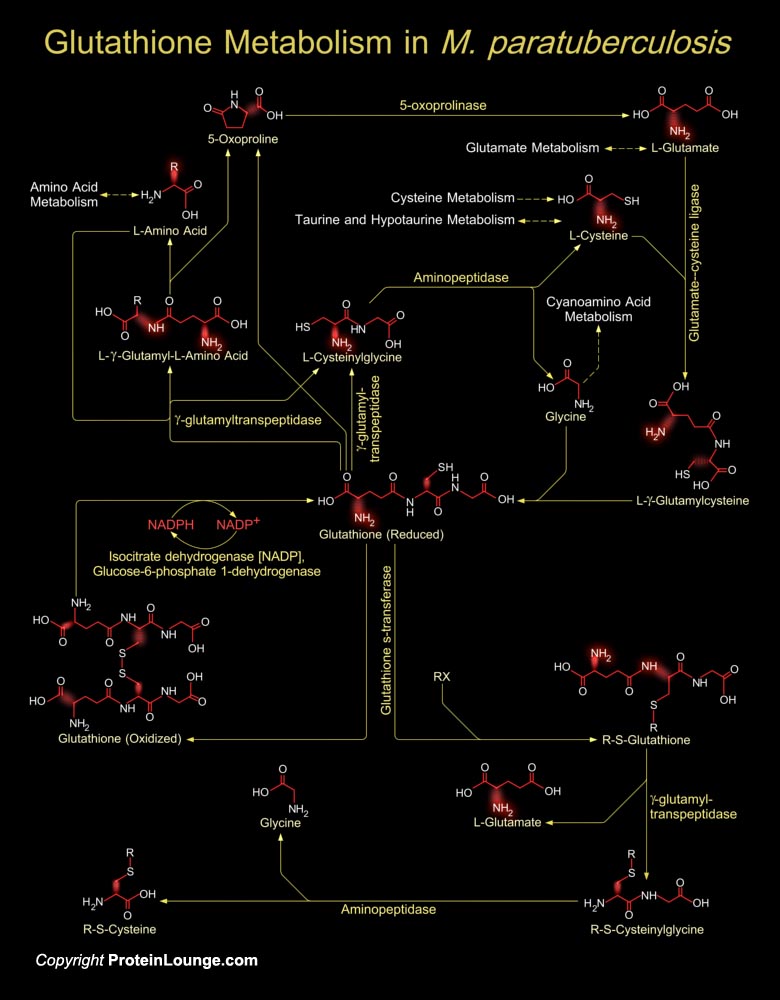
Mycobacterium avium subspecies paratuberculosis (MAP) is an obligate pathogenic bacterium in the genus Mycobacterium. It is often abbreviated M. paratuberculosis and is a part of the Mycobacterium avium complex in the genus Mycobacterium and family Mycobacteriaceae. The M. avium complex contains two clearly defined species M. avium and M intracellulare. M. paratuberculosis is a facultative intracellular, Gram-positive, acid-fast and small rod-shaped bacterium. The cell wall is thick and waxy and made up of mycolate and peptidoglycan layers held together by arabinogalactan. It causes disease primarily in ruminants like cattle, sheep, goats, deer, etc M. paratuberculosis may be spread from animal to human hosts by water and foodborne transmission routes, where the[..]

Soil-inhabiting species of Streptomyces are Gram-positive filamentous bacteria having a complex life cycle that begins with spore germination to form branched multinucleoid vegetative hyphae. The subsequent differentiation process results in formation of erect sporogenic aerial hyphae, followed by chains of unigenomic spores1. During the initiation of morphological differentiation, most Streptomyces species produce bioactive secondary metabolites, including a variety of many important antibiotics with antimicrobial, antitumor, anthelmintic and immunosuppressive activities (Ref.1). Streptomyces avermitilis is a species of bacteria in the genus Streptomyces. The first complete genome sequence of S. avermitilis was completed in 2003. The genome consists of a single[..]
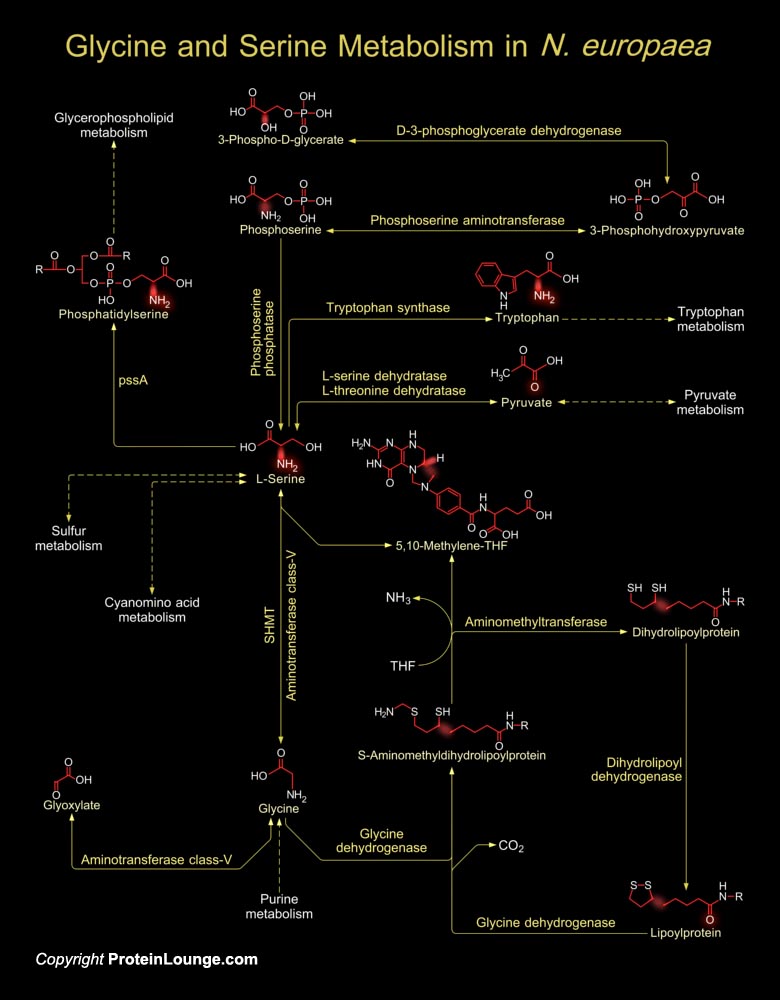
Nitrosomonas europaea is a gram-negative obligate chemolithoautotroph that can derive all its energy and reductant for growth from the oxidation of ammonia to nitrite. Nitrosomonas europaea participates in the biogeochemical N cycle in the process of nitrification. Its genome consists of a single circular chromosome of 2,812,094 bp. The cell's demand for carbon has to be met almost entirely by the fixation of carbon dioxide. Additional mineral salts complete the cell's nutritional needs. Although this bacterium can incorporate small amounts of organic compounds into cellular biomass, there is an obligate requirement for oxidation of ammonia and assimilation of inorganic nutrients to support growth. Besides, Amino acids also play an important role in[..]
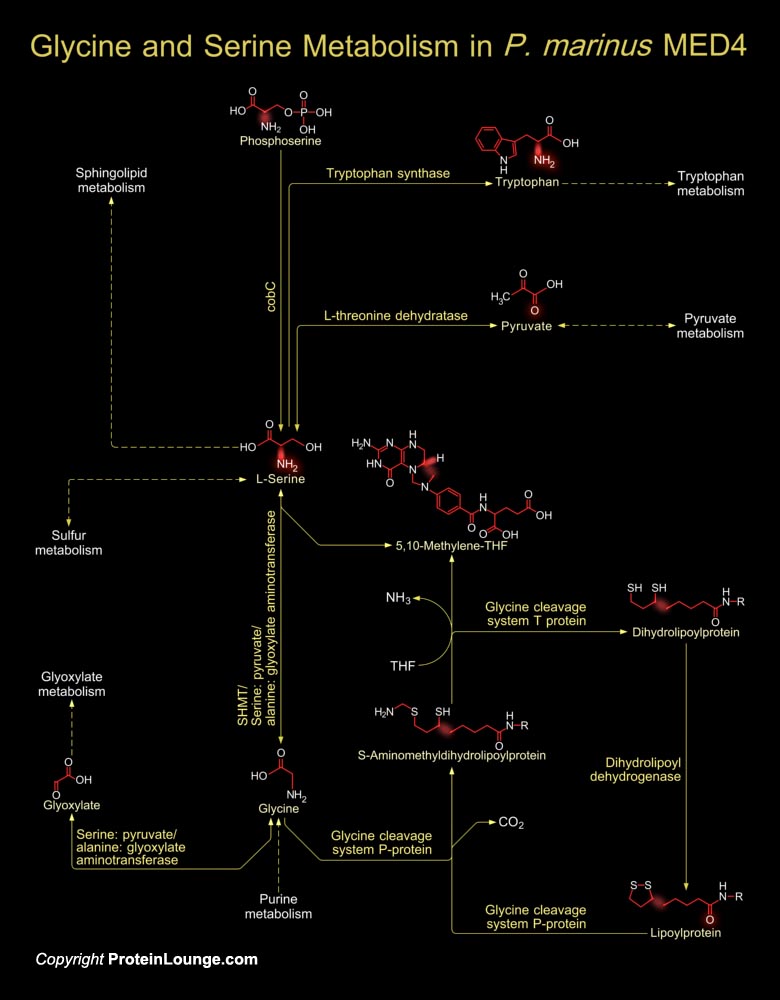
Prochlorococcus is a unicellular cyanobacterium that dominates the temperate and tropical oceans. It lacks phycobilisomes that are characteristic of cyanobacteria, and contains chlorophyll b as its major accessory pigment. This enables it to absorb blue light efficiently at the low-light intensities and blue wavelengths characteristic of the deep euphotic zone. It contributes 30-80% of the total photosynthesis in the oligotrophic oceans, and thus plays a significant role in the global carbon cycle and the Earth's climate. Prochlorococcus marinus MED4 is a member of Prochlorophytes. The genome of Prochlorococcus marinus MED4, a high-light-adapted strain, is 1,657,990 base pairs (bp). This is the smallest of any oxygenic phototroph—significantly smaller than[..]
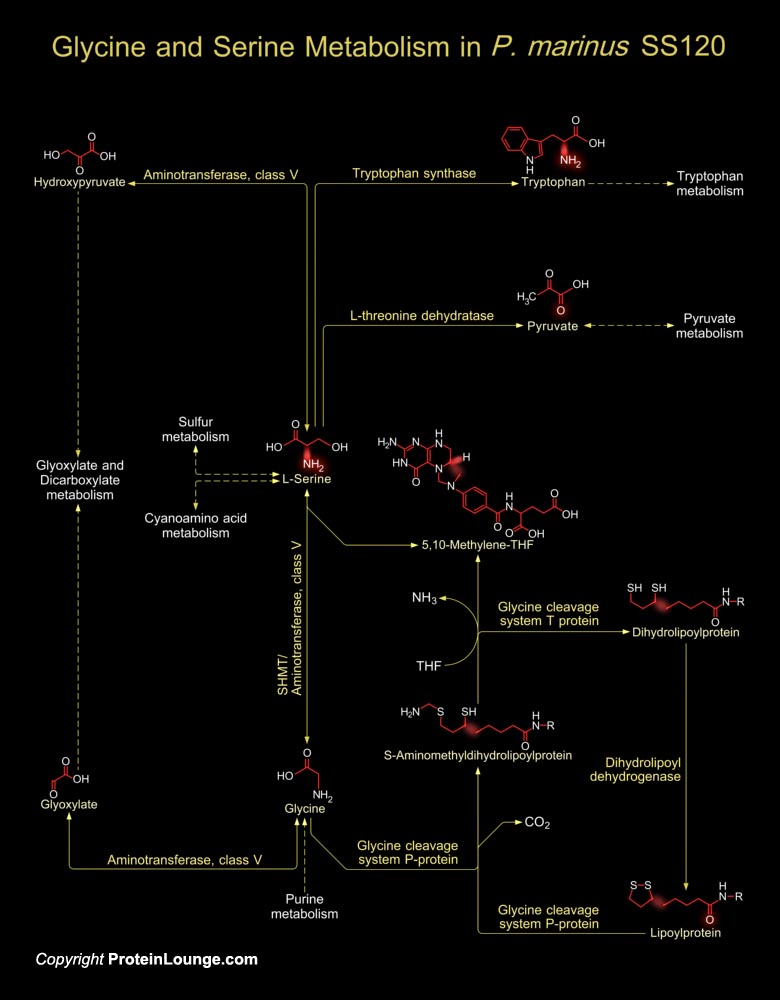
The marine unicellular Cyanobacterium Prochlorococcus is the smallest-known oxygen-evolving autotroph. Prochlorococcus marinus, the dominant photosynthetic organism in the ocean, is found in two main ecological forms: high-light-adapted genotypes in the upper part of the water column and low-light-adapted genotypes at the bottom of the illuminated layer. P. marinus SS120, the complete genome sequence reported here, is an extremely low-light-adapted form. The genome of P. marinus SS120 is composed of a single circular chromosome of 1,751,080 bp with an average G+C content of 36.4%. It contains 1,884 predicted protein-coding genes with an average size of 825 bp, a single rRNA operon, and 40 tRNA genes. It lacks many genes that are involved in photosynthesis, DNA repair,[..]
The marine unicellular Cyanobacterium Prochlorococcus is the smallest-known oxygen-evolving autotroph. It numerically dominates the phytoplankton in the tropical and subtropical oceans, and is responsible for a significant fraction of global photosynthesis. Prochlorococcus marinus lacks phycobilisomes that are characteristic of Cyanobacteria, and contains Chlorophyll b as its major accessory pigment. This enables it to absorb blue light efficiently at the low-light intensities and blue wavelengths characteristic of the deep euphotic zone. It contributes 30-80% of the total photosynthesis in the oligotrophic oceans, and thus plays a significant role in the global carbon cycle and the Earth's climate. Prochlorococcus marinus MIT9313 is a member of Prochlorophytes The[..]
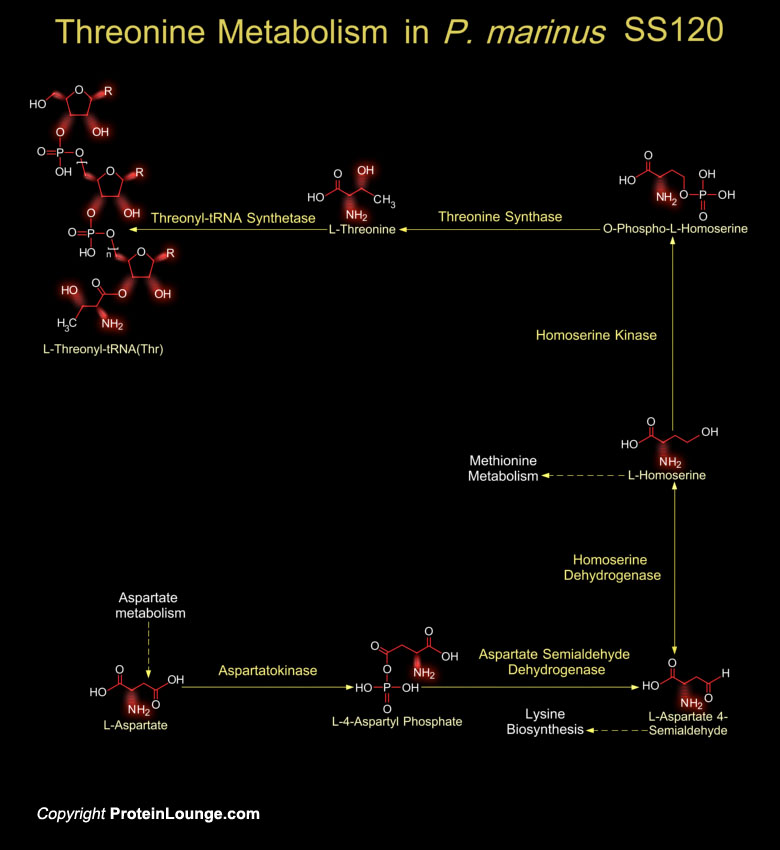
The marine unicellular Cyanobacterium Prochlorococcus is the smallest-known oxygen-evolving autotroph. Prochlorococcus marinus, the dominant photosynthetic organism in the ocean, is found in two main ecological forms: high-light-adapted genotypes in the upper part of the water column and low-light-adapted genotypes at the bottom of the illuminated layer. P. marinus SS120, the complete genome sequence reported here, is an extremely low-light-adapted form. The genome of P. marinus SS120 is composed of a single circular chromosome of 1,751,080 bp with an average G+C content of 36.4%. It contains 1,884 predicted protein-coding genes with an average size of 825 bp, a single rRNA operon, and 40 tRNA genes. It lacks many genes that are involved in photosynthesis, DNA repair,[..]
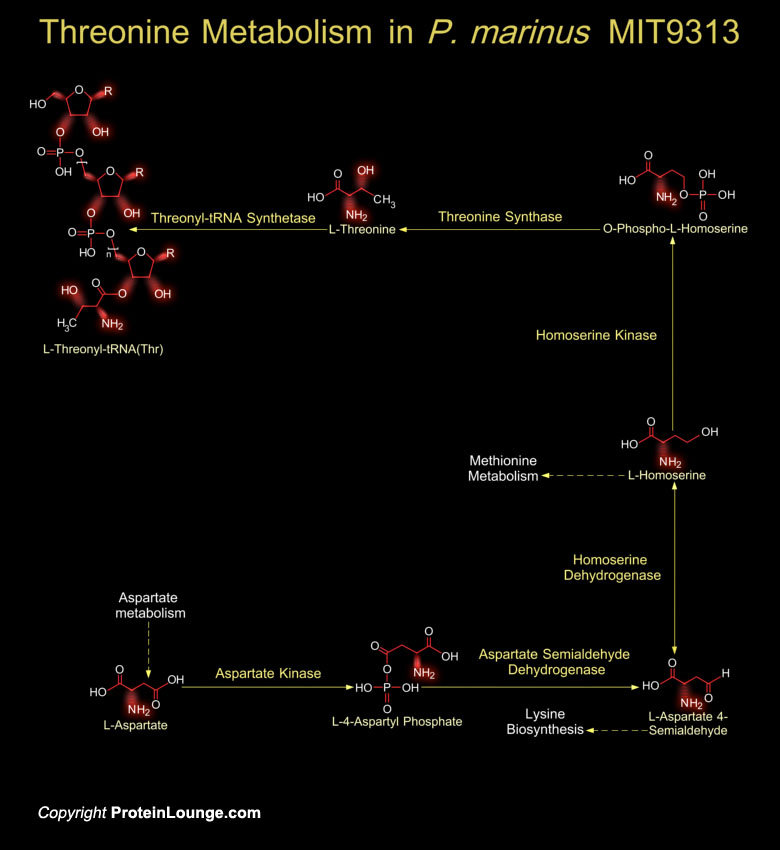
The marine unicellular cyanobacterium Prochlorococcus is the smallest-known oxygen-evolving autotroph. It numerically dominates the phytoplankton in the tropical and subtropical oceans, and is responsible for a significant fraction of global photosynthesis. Prochlorococcus marinus lacks phycobilisomes that are characteristic of cyanobacteria, and contains chlorophyll b as its major accessory pigment. This enables it to absorb blue light efficiently at the low-light intensities and blue wavelengths characteristic of the deep euphotic zone. It contributes 30-80% of the total photosynthesis in the oligotrophic oceans, and thus plays a significant role in the global carbon cycle and the Earth's climate. Prochlorococcus marinus MIT9313 is a member of Prochlorophytes The[..]
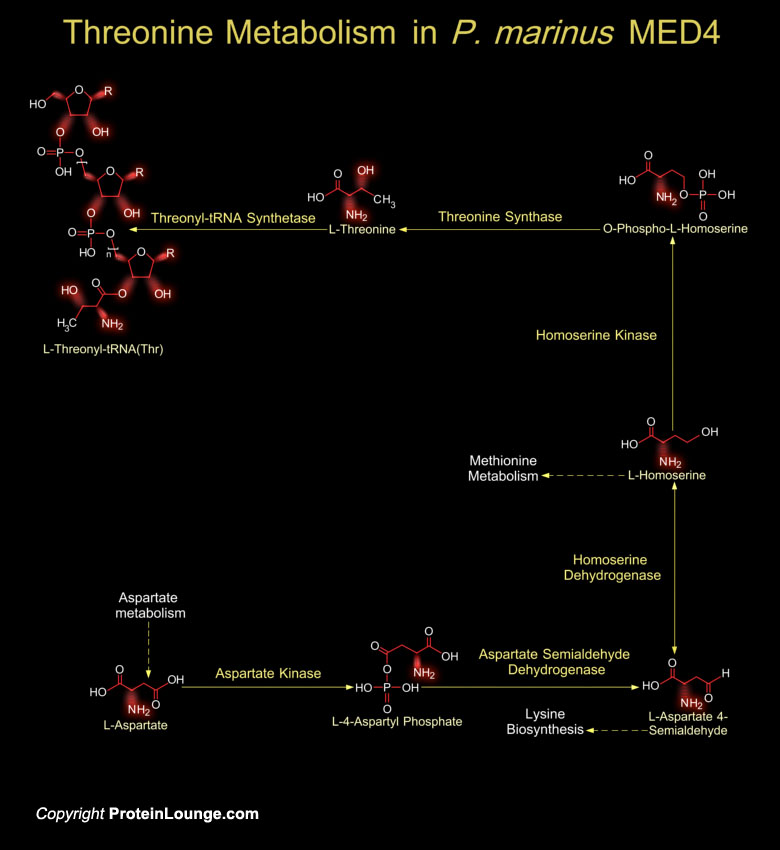
Prochlorococcus is a unicellular cyanobacterium that dominates the temperate and tropical oceans. It lacks phycobilisomes that are characteristic of cyanobacteria, and contains chlorophyll b as its major accessory pigment. This enables it to absorb blue light efficiently at the low-light intensities and blue wavelengths characteristic of the deep euphotic zone. It contributes 30-80% of the total photosynthesis in the oligotrophic oceans, and thus plays a significant role in the global carbon cycle and the Earth's climate. Prochlorococcus marinus MED4 is a member of Prochlorophytes. The genome of Prochlorococcus MED4, a high-light-adapted strain, is 1,657,990 base pairs (bp). This is the smallest of any oxygenic phototroph—significantly smaller than[..]
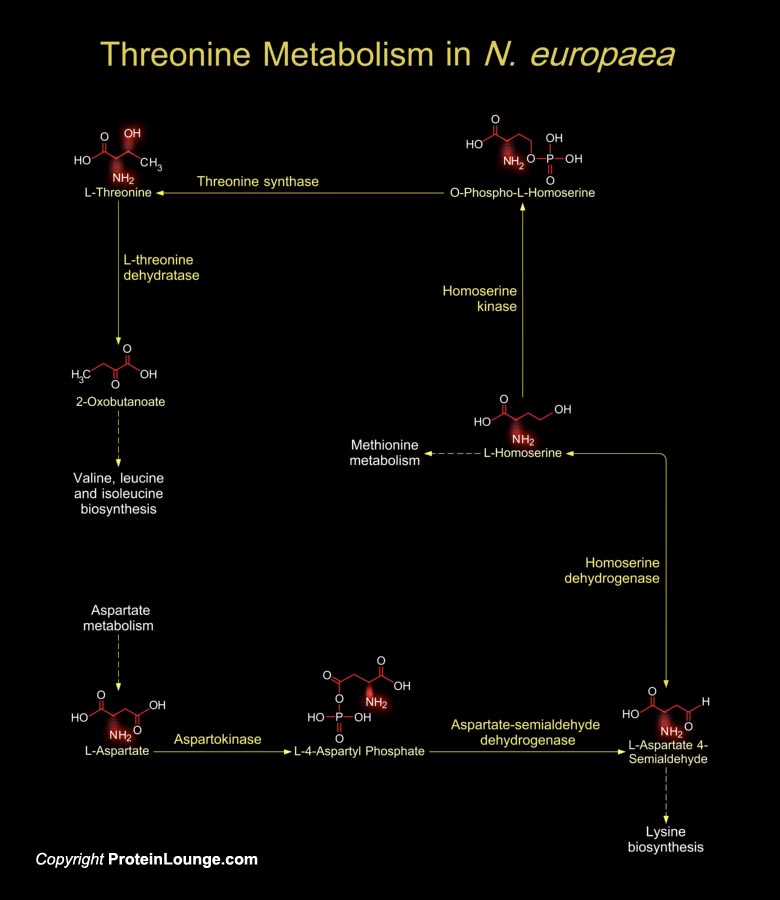
Nitrosomonas europaea is a gram-negative obligate chemolithoautotroph that can derive all its energy and reductant for growth from the oxidation of ammonia to nitrite. Nitrosomonas europaea participates in the biogeochemical N cycle in the process of nitrification. It lives in several places such as soil, sewage, freshwater, the walls of buildings and on the surface of monuments especially in polluted areas where air contains high levels of nitrogen compounds. This microbe prefers an optimum pH of 6.0-9.0, fairly neutral conditions, has an aerobic metabolism and prefers a temperature range of 20-30 degrees centigrade. Most are motile with flagella located in the Polar Regions although some species are nonmotile. The cell's demand for carbon has to be met almost[..]
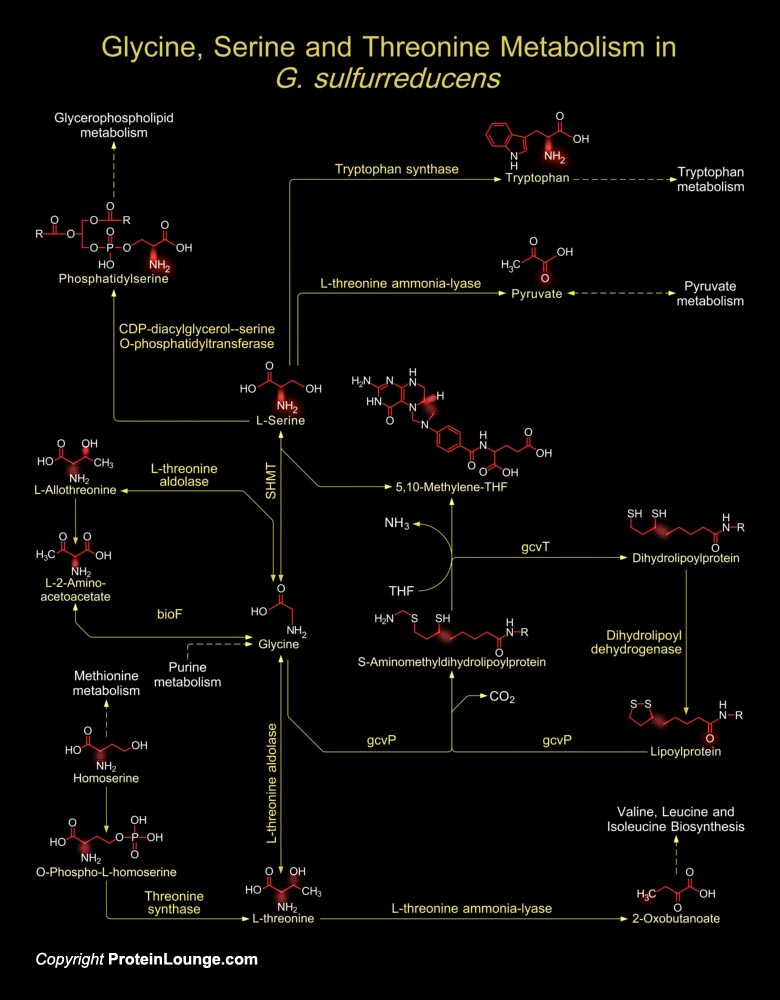
G. sulfurreducens (Geobacter sulfurreducens), a delta-proteobacterium, is an obligately anaerobic, non-fermentative, non-motile, Gram-negative rod. Geobacter species are of interest because of their novel electron transfer capabilities, impact on the natural environment and their application to the Bioremediation of contaminated environments and harvesting electricity from waste organic matter. G. sulfurreducens breaks down heavy metals and is being used to clean up toxic metal waste sites like Uranium, etc. Central to the metabolism of G. sulfurreducens is the ability to anaerobically oxidize Acetate (an abundant electron donor and carbon source in subsurface zones) completely to CO2 (Carbondioxide) and water using a variety of electron acceptors including metal[..]
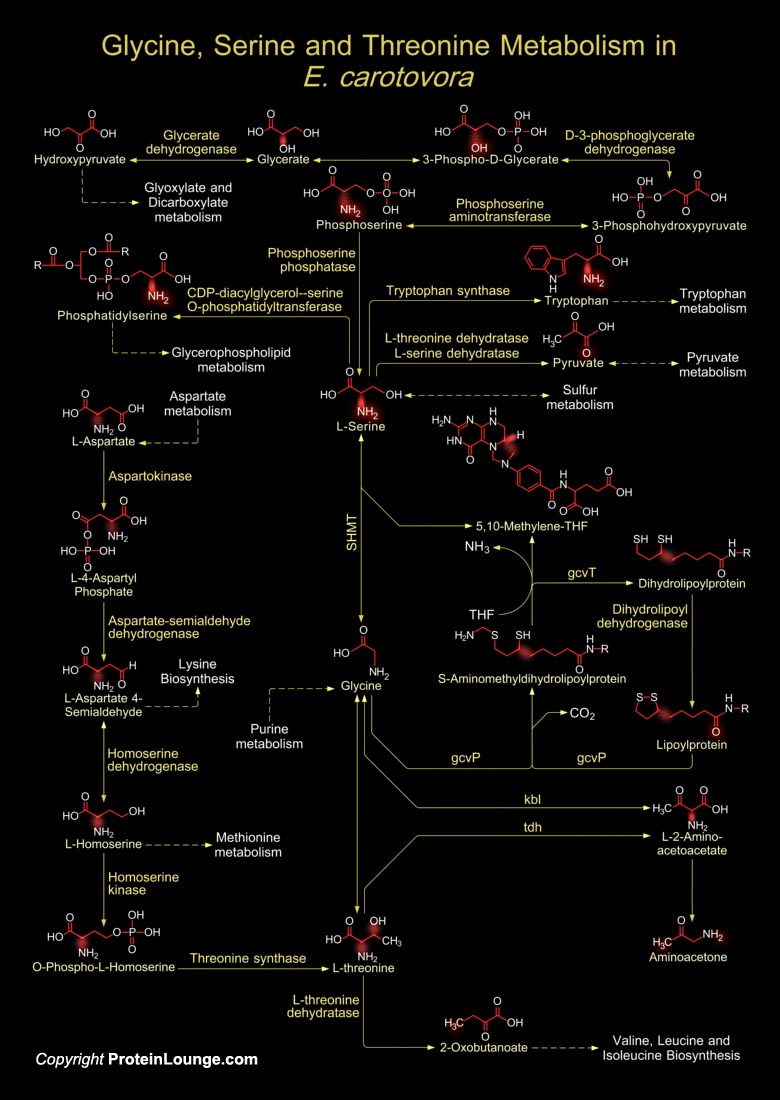
E. carotovora (Erwinia carotovora) is a species of plant pathogenic, Gram-negative, facultatively anaerobic, rod-shaped bacteria which gets its name from carrots, but it affects many other vegetables, including potatoes, cucumbers, onions, tomatoes, lettuce and even some ornamental plants like Iris. The bacterial family Enterobacteriaceae is notable for its well studied human pathogens, including Salmonella, Yersinia, Shigella, and Escherichia spp. However, it also contains several plant pathogens. Erwinia carotovora subsp. atroseptica (Eca) strain SCRI1043 is the causative agent of Soft rot and Blackleg potato diseases (Ref.1). Gram-negative bacteria employ a type of conserved signaling called Quorum Sensing. Quorum Sensing regulates as a switch controlling metabolic[..]