

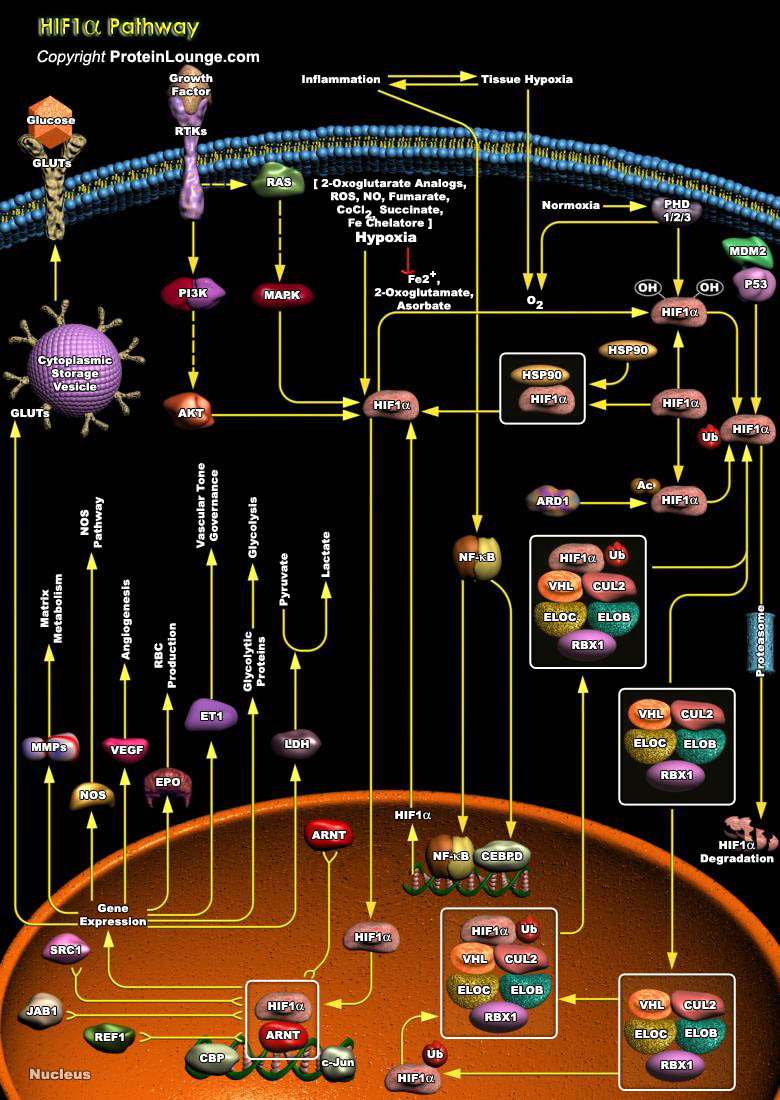
The cellular response to O2 (oxygen) is a central process in animal cells and figures prominently in the pathophysiology of several diseases, including cancer, cardiovascular disease, and stroke. This process is coordinated by the HIF (Hypoxia-Inducible Factor) and its regulator, the pVHL (Von Hippel-Lindau tumor suppressor protein). HIF1 is a basic helix-loop-helix transcription factor that transactivates genes encoding proteins that participate in homeostatic responses to hypoxia. It induces expression of proteins controlling glucose metabolism, cell proliferation, and vascularization. Several genes involved in cellular differentiation are directly or indirectly regulated by hypoxia. These include Epo (Erythropoietin), LDHA (Lactate Dehydrogenase-A), ET1[..]
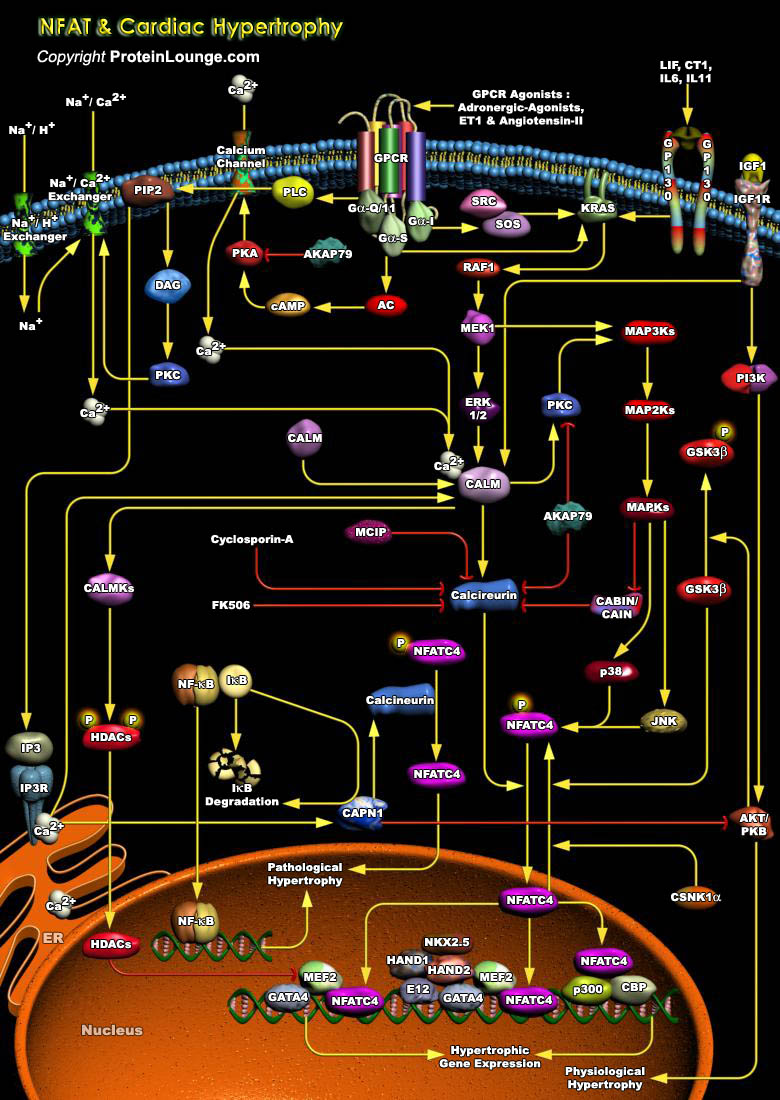
Cardiac failure, one of the largest health care burdens in the United States and other developed countries is often associated with prolonged and maladaptive cardiac hypertrophy, defined as a compensatory mechanism of the heart that helps to maintain cardiac output during pathological states with sustained increases in hemodynamic load (Ref.1). As cardiomyocytes lose the ability to divide soon after birth, cardiac hypertrophy offers an important adaptive response in vivo that allows the organism to maintain or increase its cardiac output. The adult myocardium responds to a wide array of intrinsic and extrinsic stimuli, including hypertension, myocardial infarction, cardiac arrhythmias, valvular disease, endocrine disorders, increased workload, injury, and[..]
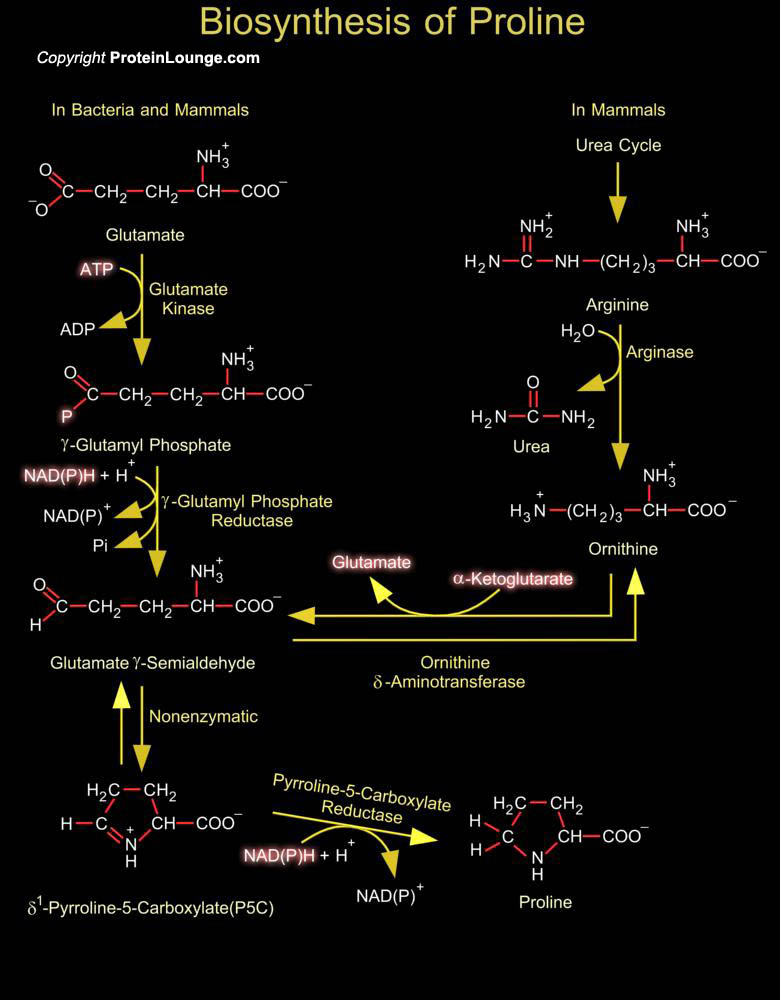
Proline is unique in having a cyclic structure with its side chain connected to the amino group to create a secondary amine. As a consequence of its cyclic structure, Proline constrains the structure of proteins where it occurs, disrupting Alpha-helices. Isomerization between the cis and trans forms of Proline in proteins is isomerized by peptidyl-prolyl isomerases like the cyclophilins that contribute to protein folding and are components of signal transduction pathways (Ref.1). Proline is derived from glutamate. Its biosynthesis begins with the ATP-driven phosphorylation and reduction of the carboxyl side chain of glutamate. The Gamma-carboxylate group of glutamate is activated by phosphorylation with ATP to from a Gamma-Glutamyl Phosphate intermediate. The[..]
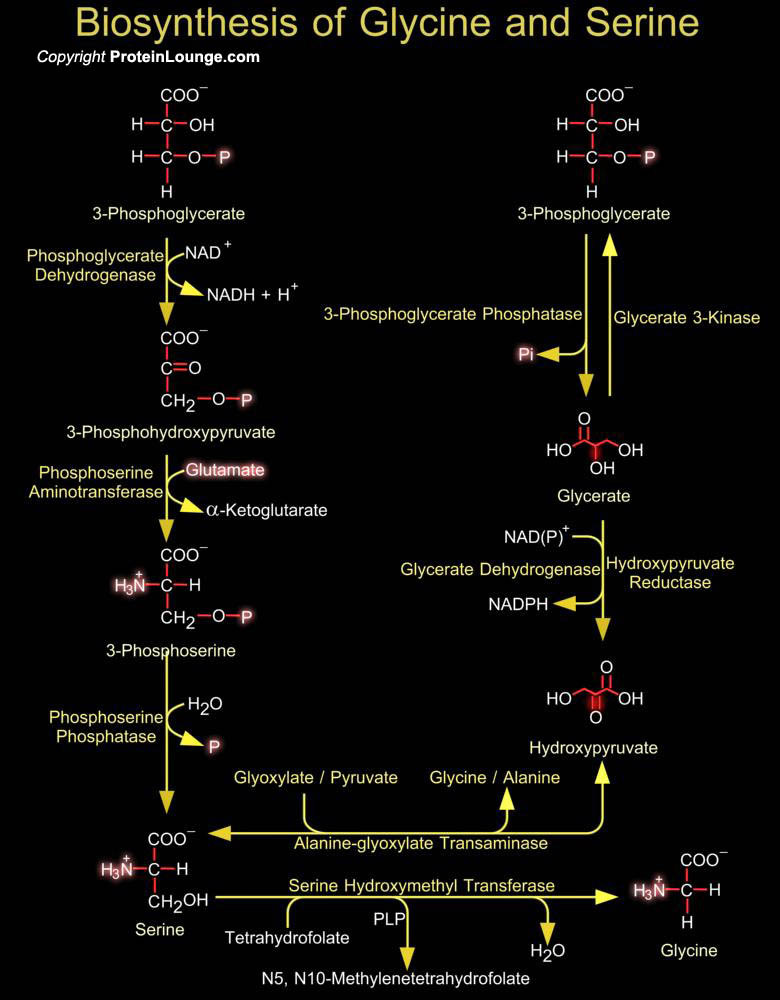
Intermediates in energy production pathways such as glycolysis and the Krebs cycle are commonly the starting point for the biosynthesis of amino acids. The biosynthesis of serine and glycine constitute a major metabolic pathway that plays a central role in the formation of other amino acids, nucleic acids and phospholipids. Serine an ɑ-amino acid used in the biosynthesis of proteins can be synthesized in the human body under normal physiological circumstances, making it a nonessential amino acid. It contains an α-amino group a carboxyl group, and a side chain consisting of a hydroxymethyl group, classifying it as a polar amino acid. Glycine is also an amino acid that with a single hydrogen atom as its side chain. It is one of the proteinogenic amino acids and[..]
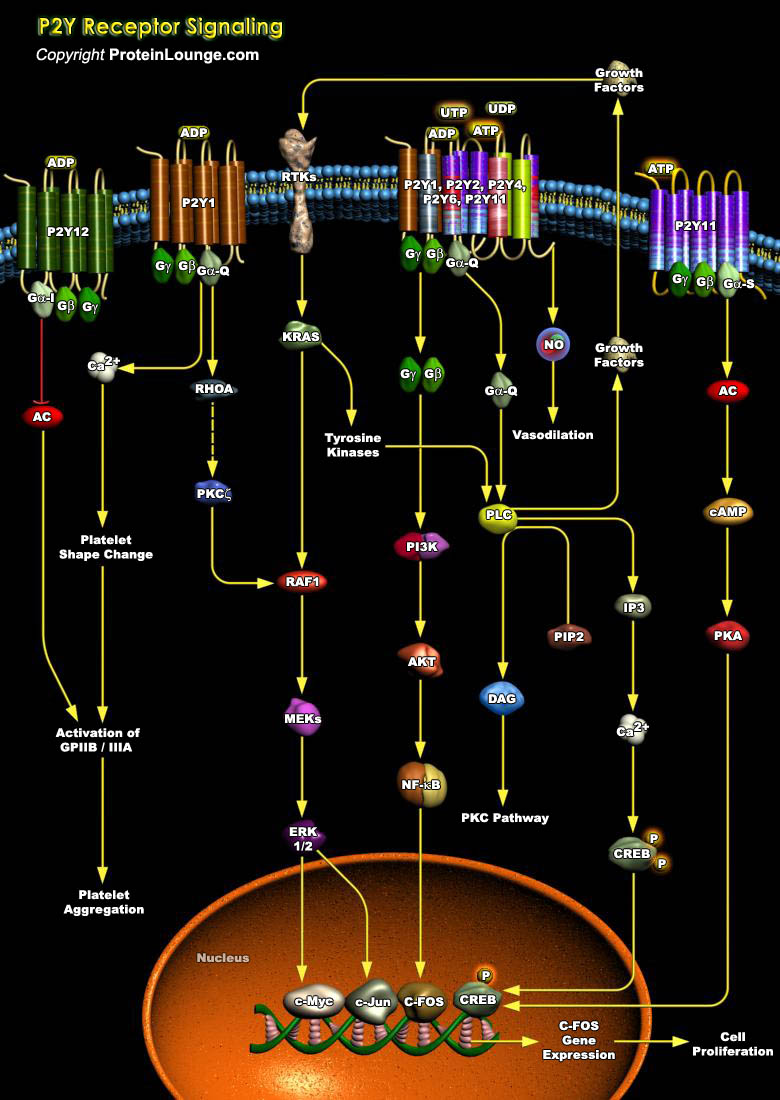
Angiogenesis plays an important role in pathological events such as tumor growth, wound healing, psoriasis, and the ischemic retinopathies that occur in diabetes and sickle cell disease. The main modulators of the angiogenesis process in adults, is achieved through signaling by peptide growth factors, however, recent researches also emphasize the contribution of purines and pyrimidines to this process. Synergistic actions of purines and pyrimidines with growth factors aid in promoting cell proliferation (Ref.1). ATP (Adenosine Triphosphate), ADP (Adenosine Diphosphate), UTP (Uridine Triphosphate), UDP (Uridine Diphosphate) and adenosine play pivotal signaling roles in these long-term events, referred to as purinergic signaling, mediated via P1 and P2 receptors.[..]
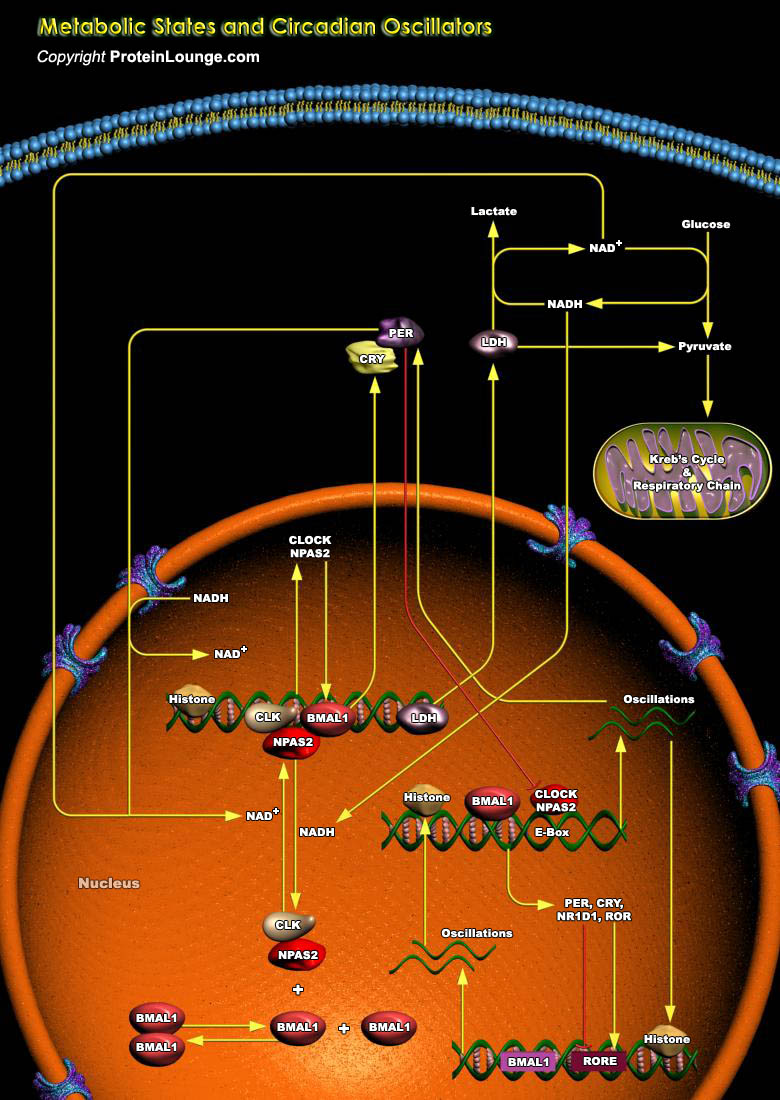
In organisms as diverse as fruit flies and mammals, circadian rhythms are controlled by a transcriptional feedback system whose activity fluctuates as a function of the light-dark cycle. In mammals, the master clock (circadian pacemaker) resides in the SCN (Suprachiasmatic Nucleus) of the brain's hypothalamus and this endogenous clock drives physiology and behavior. In the absence of external time cues, the SCN master clock generates cycles of approximately but not exactly 24 hours, and its phase must therefore be readjusted every day. This task depends on the retina, which detects changes in light intensity during the day's light-dark cycle (the photoperiod) and transmits this information to the SCN neurons (Ref.1). The mammalian circadian feedback[..]
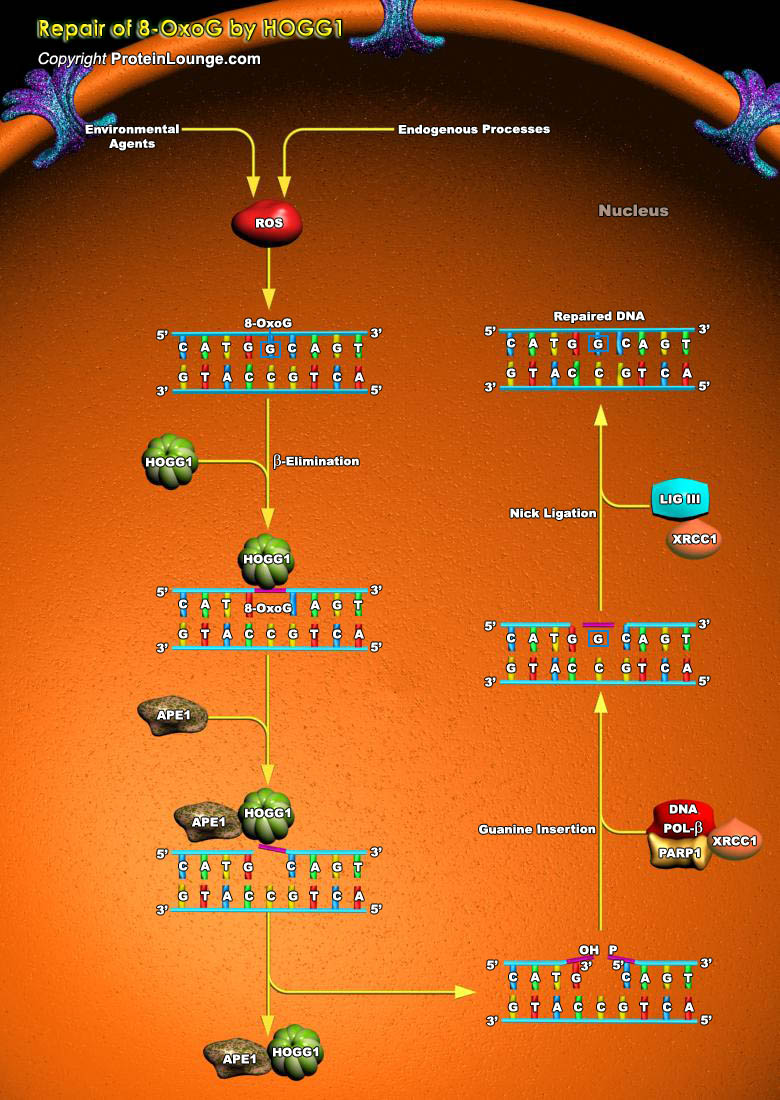
8-oxo-7,8-dihydroguanine (8-oxoG) is a pre-mutagenic DNA lesion that is formed by the oxidation of guanine. Reactive oxygen species (ROS) that is primarily responsible for the damage of guanine is produced as a result of several endogenous processes or environmental agents. ROS can cause damage to cellular macromolecules like proteins, lipids and nucleic acids. Proteins, proteins, lipids and RNA having oxidative damage are generally degraded and recycled, whereas DNA lesions like 8-oxoG need to be repaired to maintain genomic integrity (Ref.1 and 2). 8-oxoG is generally repaired in human through base excision repair (BER) pathway. The enzyme human 8-oxoG DNA glycosylase 1 (HOGG1) is the primary enzyme that initiates the repair of 8-oxoG. OGG1 initiated BER[..]
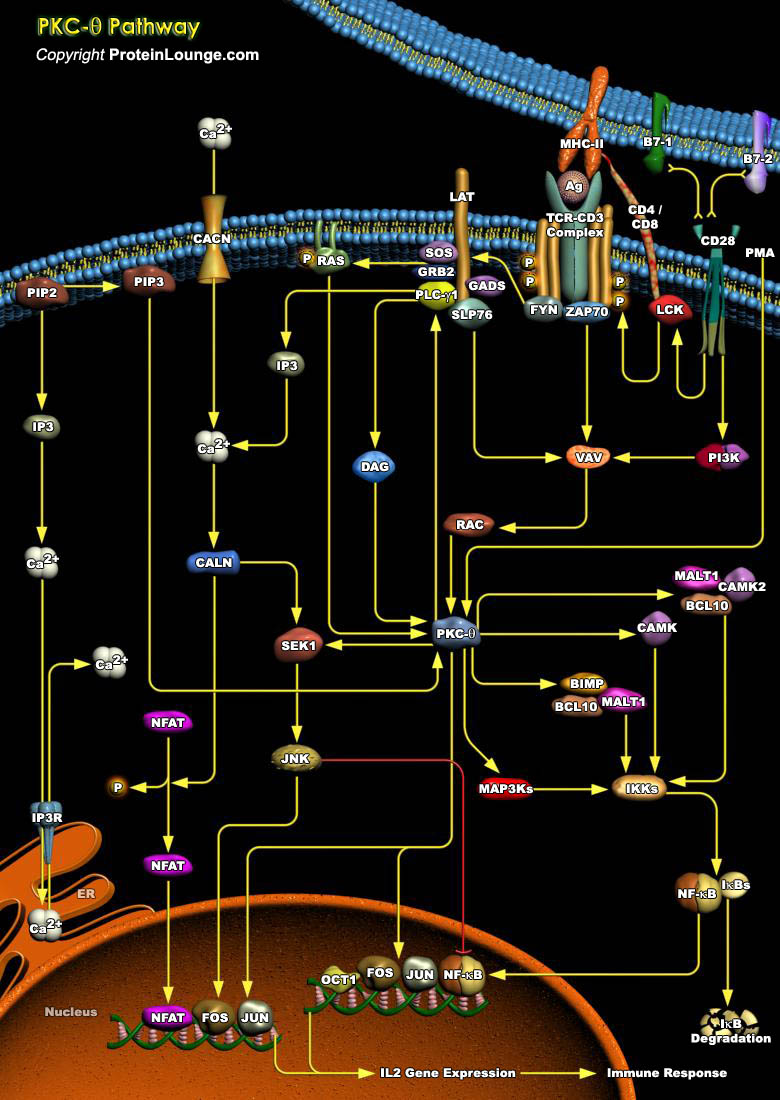
An effective immune response depends on the ability of specialized immunocytes to identify foreign molecules and respond by differentiation into mature effector cells. A cell-surface antigen recognition apparatus and a complex intracellular receptor-coupled signal-transducing machinery mediate this tightly regulated process, which operate at high fidelity to discriminate self from nonself antigens. Activation of T-Cell requires sustained physical interaction of the TCR (T-Cell Receptor) with a MHC (Major Histocompatibility Complex)–presented peptide antigen that results in a temporal and spatial reorganization of multiple cellular elements at the T-Cell–Antigen Presenting Cell contact region, a specialized region referred to as the IS (Immunological[..]
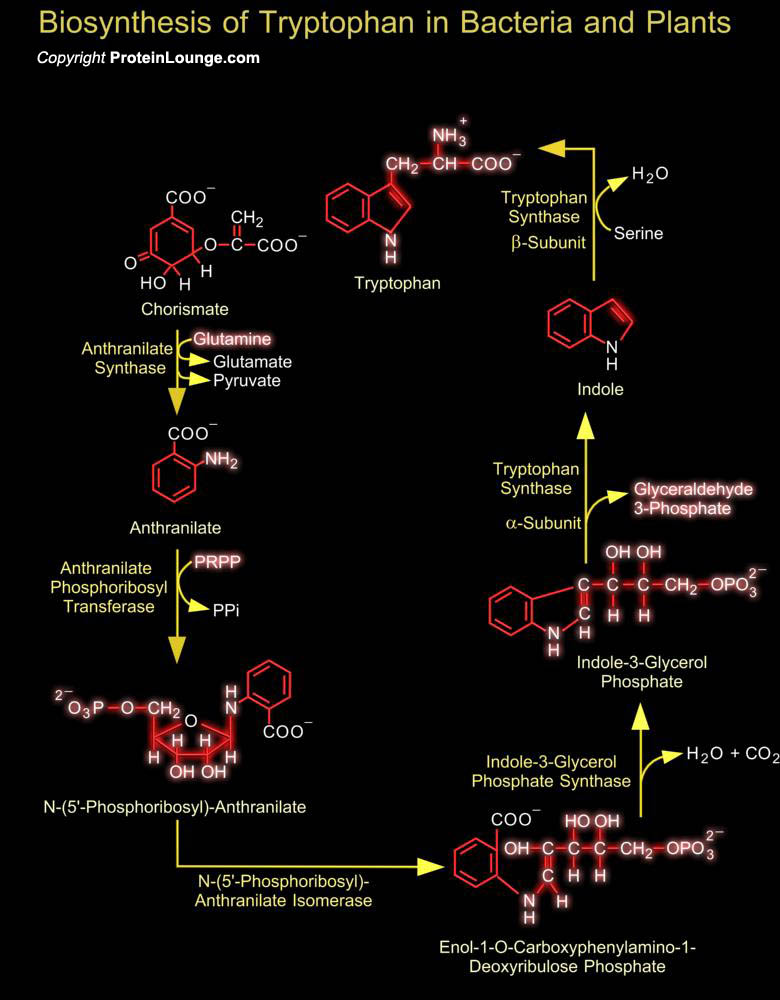
Tryptophan is an amino acid essential to survival. Amino acids serve as building blocks for proteins, as well as serving as starting points for the synthesis of vitamins and many other crucial cellular molecules. While most plants and microorganisms can produce all the amino acids they need, tryptophan is one of eight amino acids that cannot be produced by animals. Humans and animals do not themselves have the biosynthetic machinery to synthesize tryptophan but rely on dietary intake from bacteria and plants that do produce it. Tryptophan is the least abundant of the essential amino acids. However, it is also one of the most crucial, as it is involved not only in protein synthesis, but also in the formulation of niacin and the neurotransmitter serotonin. Serotonin is[..]
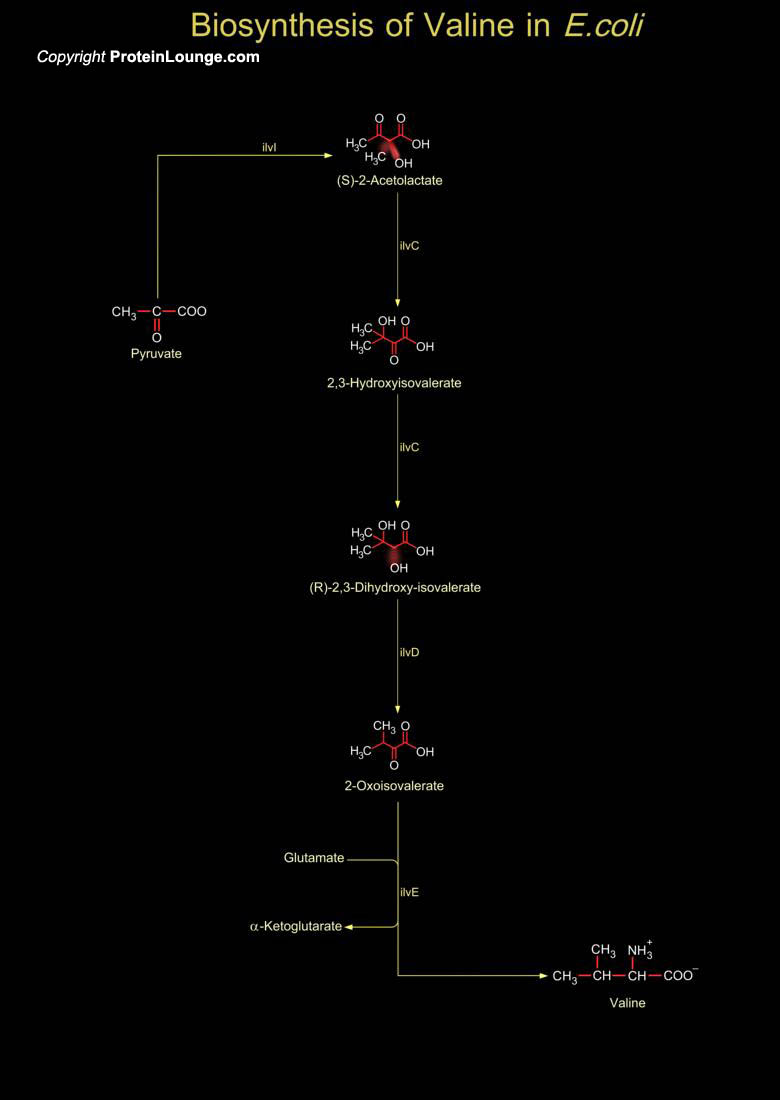
Valine is a hydrophobic amino acid, it often forms the helical structures within interior proteins. Valine is an essential amino acids and must be obtained in the diet in human but not synthesized in human. It is generally biosynthesized by plants, algae, fungi, bacteria and archaea. Important sources of valine include soy flour, cottage cheese, fish, meats, and vegetables. Valine is incorporated into proteins and enzymes at the molar rate of 6.9 percent when compared to the other amino acids. In Escherichia coli (E.coli), Valine is biosynthesized from two Pyruvate molecules where two molecules of Pyruvate are converted to Alpha-Acetolactate by the enzyme ilvI (acetolactate synthase/acetohydroxybutanoate synthase, catalytic subunit) yielding a molecule of CO2.[..]
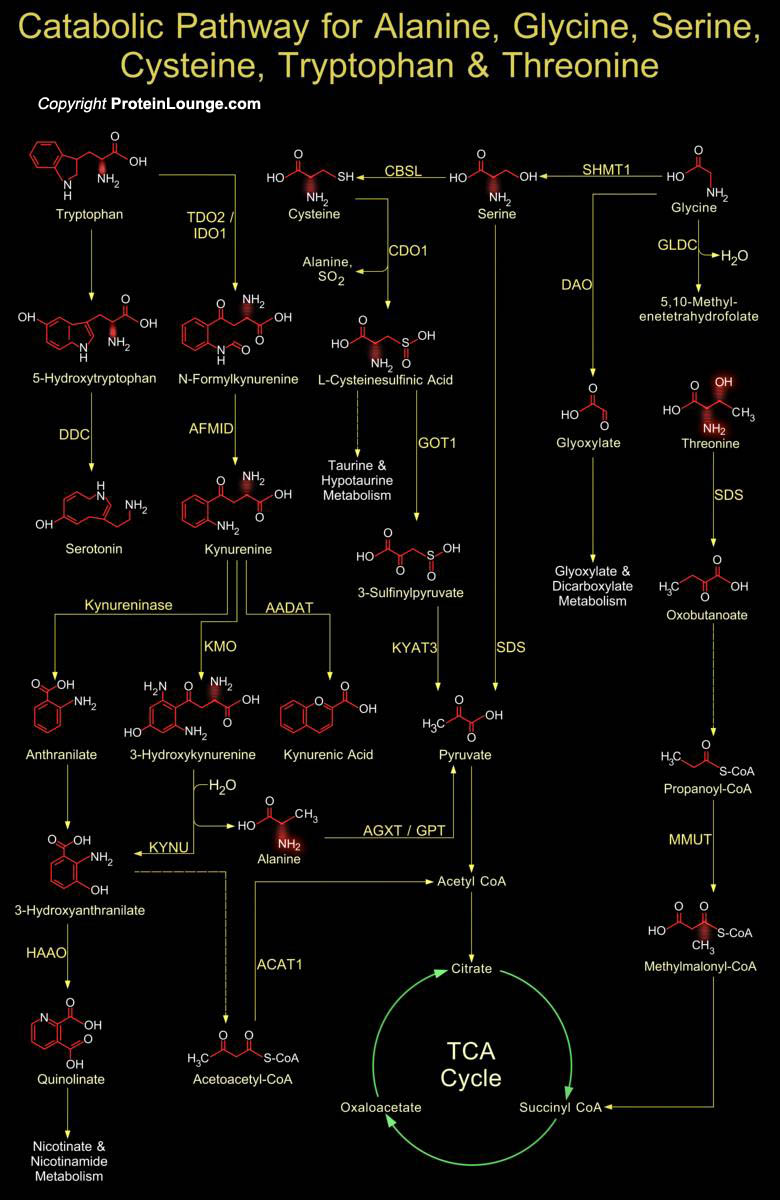
Five amino acids, Alanine, Cysteine, Glycine, Serine and Threonine are broken down to yield Pyruvate. Tryptophan is included in this group since one of its breakdown products is Alanine, which is transaminated to Pyruvate. Alanine is an important in inter tissue nitrogen transporter and is an important part of the Glucose-Alanine cycle. The alanine catabolic pathway involves a simple aminotransferase reaction that directly produces pyruvate. The transamination is carried out by GPT (Glutamic--Pyruvic Transaminase). Post pyruvate production, based on metabolic requirements of the cell, pyruvate can either be oxidized by the PDH complex to acetyl-CoA and diverted into the TCA cycle or it can be diverted into the gluconeogenic pathway to release glucose[..]
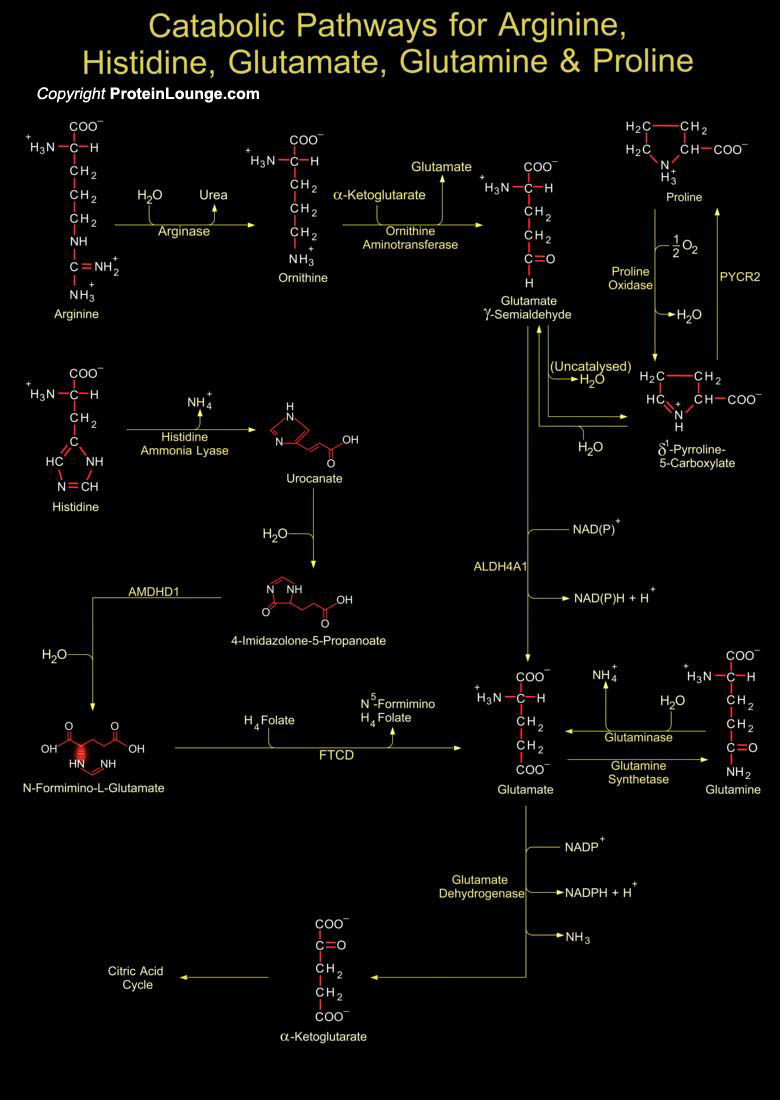
Arginine serves as a precursor for synthesis of protein, nitric oxide, creatine, polyamines, agmatine, and urea. It is synthesized from glutamine, glutamate, and proline and is metabolically interconvertible with the amino acids proline and glutamate. ARG1 (arginase 1) converts L-arginine into L-ornithine and urea. L-ornithine is acted upon by OAT (ornithine aminotransferase) to further synthesize L-glutamate-5-semialdehyde which spontaneously undergoes non-enzymatic reaction to produce P5C (δ 1-pyrroline-5-carboxylate). P5C can further initiate proline biosynthesis by the enzyme PYCR2 (pyrroline-5-carboxylate reductase 2) (Ref.1, 2&3). Glutamate an important neurotransmitter serves as a precursor for the biosynthesis of amino[..]