

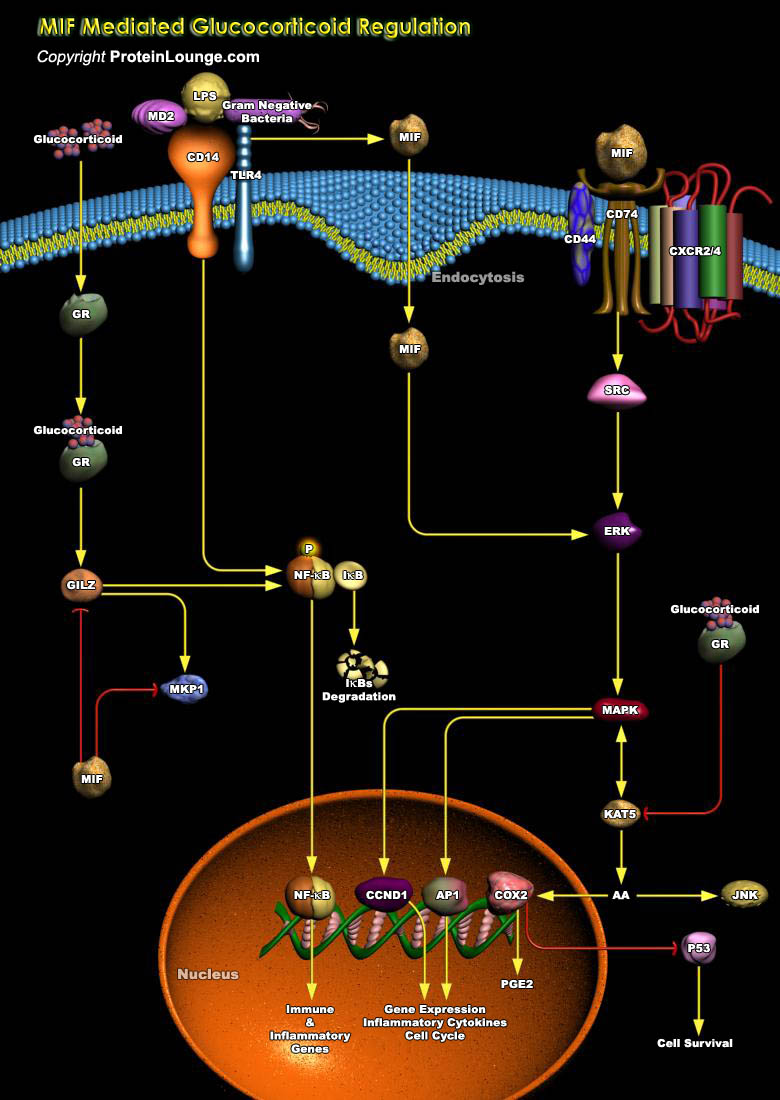
Glucocorticoids are among the most potent anti-inflammatory and immunosuppressive agents. They inhibit synthesis of almost all known cytokines, enzymes involved in the inflammatory process and of several cell surface molecules required for immune function. Glucocorticoids mediate these effects through an intracellular receptor, the GR (Glucocorticoid Receptor), a member of the steroid/thyroid hormone receptor super family. The Glucocorticoid hormones affect the metabolism of carbohydrates, proteins, and lipids in a manner nearly opposite to that of insulin and influence a wide variety of other vital functions, including nucleic acid synthesis, maintenance of blood pressure, inflammatory reactions and the capacity to cope with stress. Data presently indicates that[..]
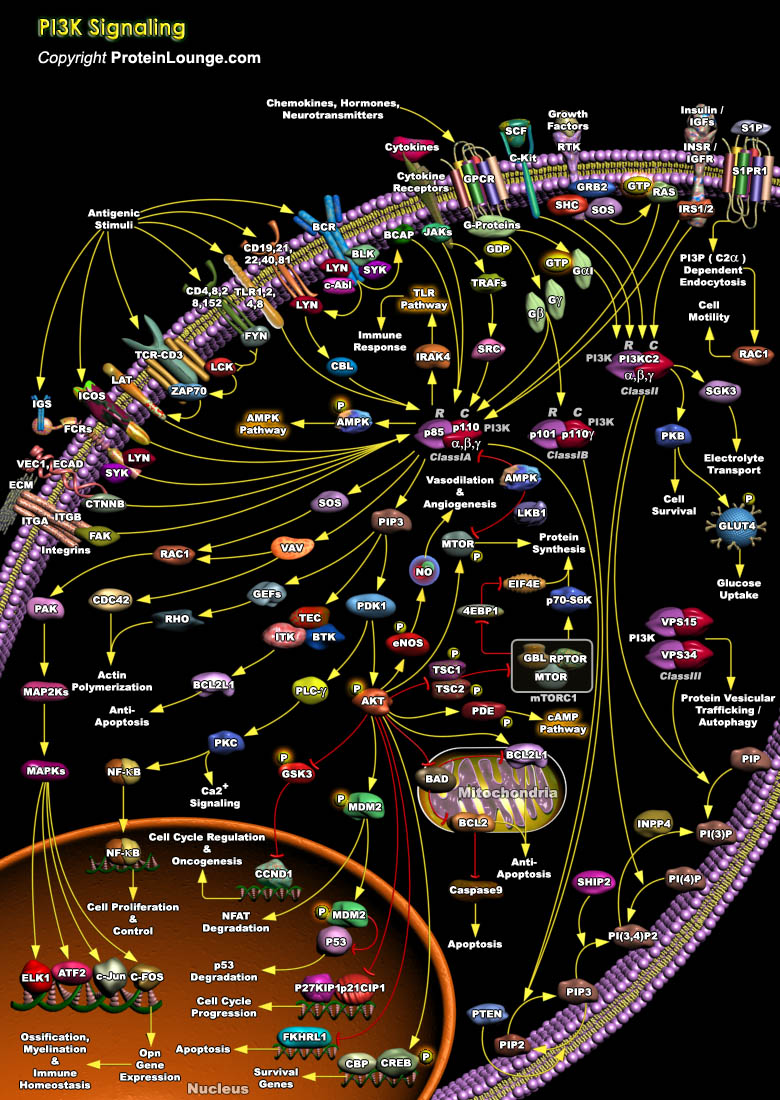
The (Phosphatidylinositde-3-Kinase) family of enzymes regulate diverse biological functions in every cell type by generating lipid second messengers that ultimately results in the mediation of cellular activities such as proliferation, differentiation, chemotaxis, survival, trafficking and Glucose homeostasis. On the basis of structural similarities, the members are sub-divided into three classes; Class I, II and III. The Class I and II PI3Ks are found only in metazoa, whereas, Class III PI3Ks are also found in unicellular eukaryotes. The Class I PI3Ks are sub-divided into two groups-the Class IA and Class IB PI3Ks. Class IA PI3Ks are heterodimeric enzymes consisting of regulatory subunits (p85-Alpha, p85-Beta or p55-Gamma) and a catalytic subunit (p110-Alpha, or[..]
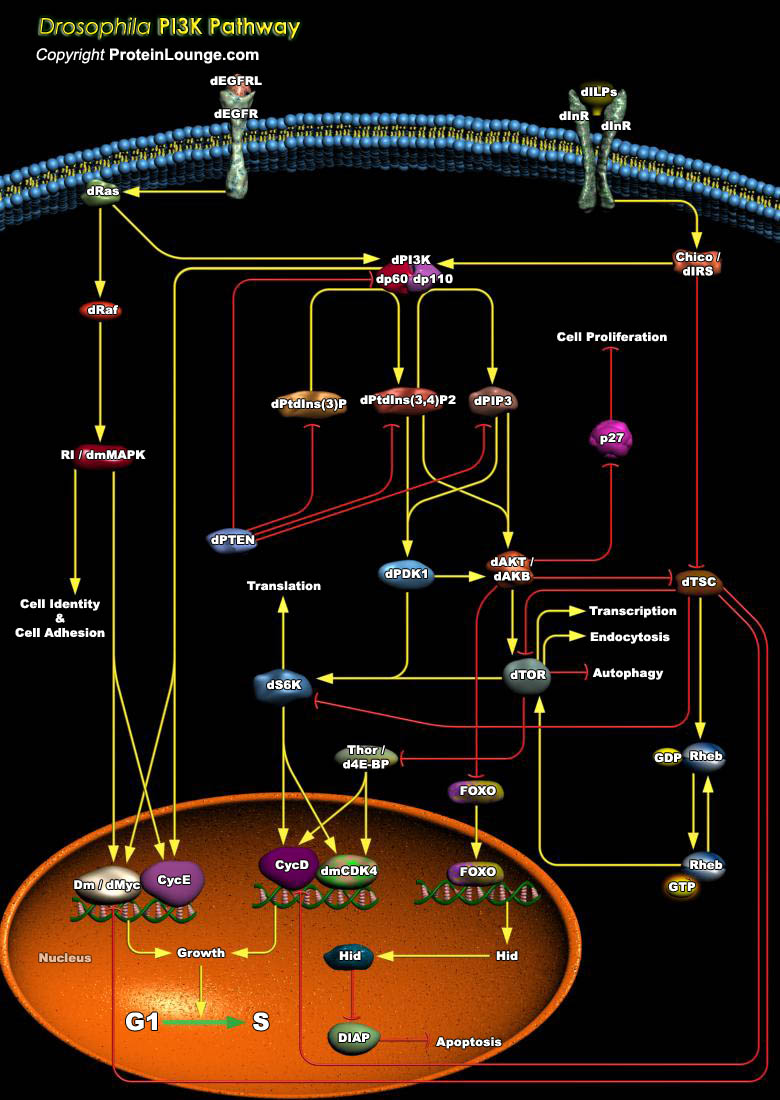
The PI3K (Phosphatidylinositde-3 Kinase) family of enzymes is recruited upon growth factor receptor activation and produces 3' phosphoinositide lipids. The lipid products of PI3K act as second messengers by binding to and activating diverse cellular target proteins. Therefore, PI3Ks play a central role in many cellular functions. In mammals, the PI3Ks have a p110 catalytic subunit associated with a p85, p55 or p50 regulatory subunit (Ref.1). In Drosophila, the dPI3K (Phosphatidylinositde-3 Kinase) regulatory subunit dp60 (p60 Regulatory Subunit of PI3K) lacks the SH3 and BH (Bcr homology) domains like that of the mammals showing that these additional domains have been added during evolution to confer additional functions or modes of regulation to the PI3K[..]
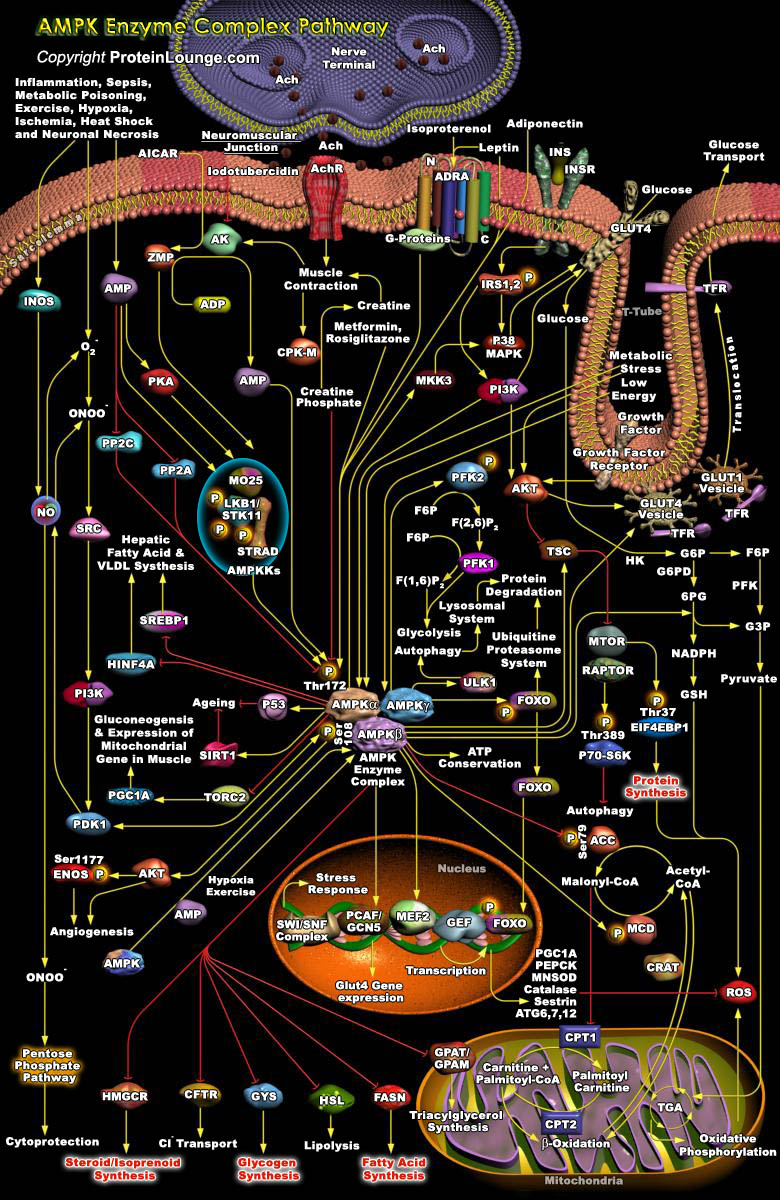
One of the key functions of catabolic metabolism is to maintain high levels of ATP (Adenosine Triphosphate) and cells rapidly respond to any stress that threatens to lower ATP levels by arresting non-essential ATP-utilizing functions and stimulating available ATP-generating pathways. A central player in this system is the AMPK (AMP (Adenosine 5'-Monophosphate)-Activated Protein Kinase). AMPK is a master metabolic regulator responsible for modulating cellular responses to an energy challenge. The evolutionarily conserved Serine/Threonine Kinase, AMPK acts as a “Fuel Gauge” or “Cellular Energy Sensor” and inhibits key enzymes of ATP-consuming pathways and induces pathways that generate ATP. When AMPK is activated by stimuli like muscle contraction, inflammation,[..]
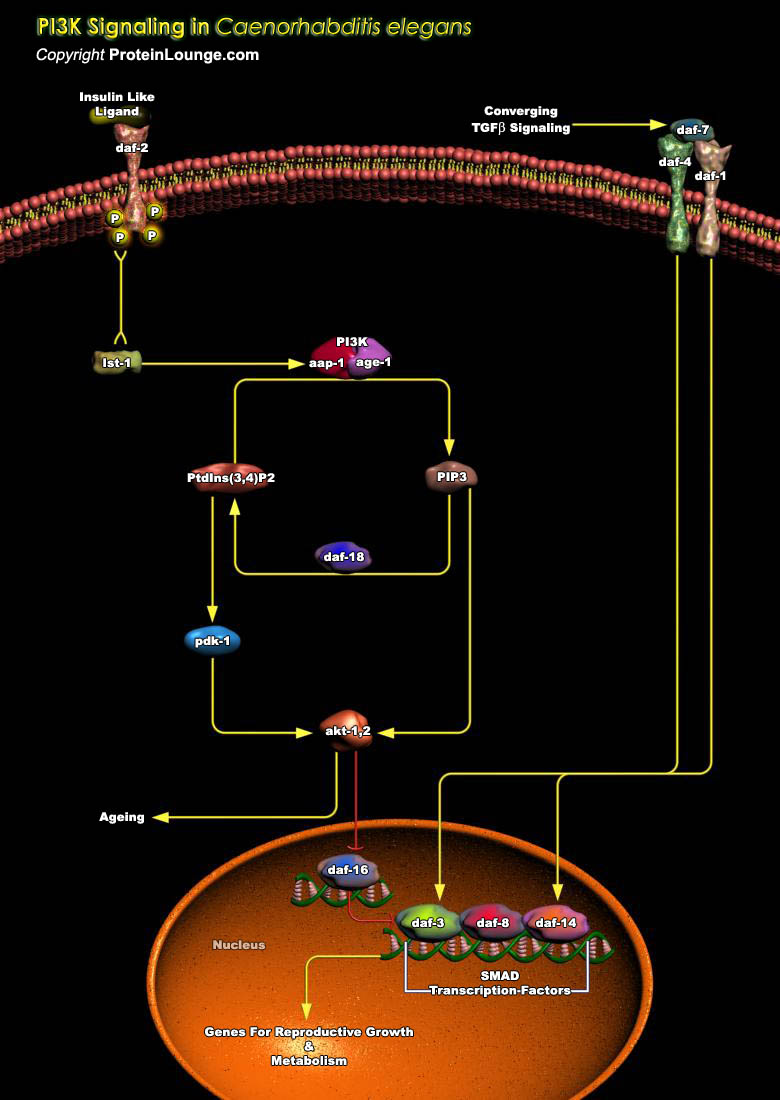
PI3Ks (Phosphoinositide 3-Kinases) are an important type of lipid kinase that form a large evolutionarily conserved family of enzymes that specifically phosphorylate inositol phospholipids at the D-3 position of the inositol ring. The C. elegans (Caenorhabditis elegans) PI3K is required for functional membrane trafficking machinery (Ref.1). C. elegans PI3K adaptor subunit aap-1 (Phosphoinositide 3-Kinase age-1 Adapter Subunit-58.5 KD) shares moderate sequence similarity with the p50/p55 adaptor subunits of their vertebrate and Drosophila counterparts. C. elegans PI3K also contains age-1 (Ageing Alteration-age-1), a homolog of vertebrate p110 catalytic subunits of PI3K (Ref.2). An insulin receptor-like signaling pathway regulates C. elegans metabolism,[..]
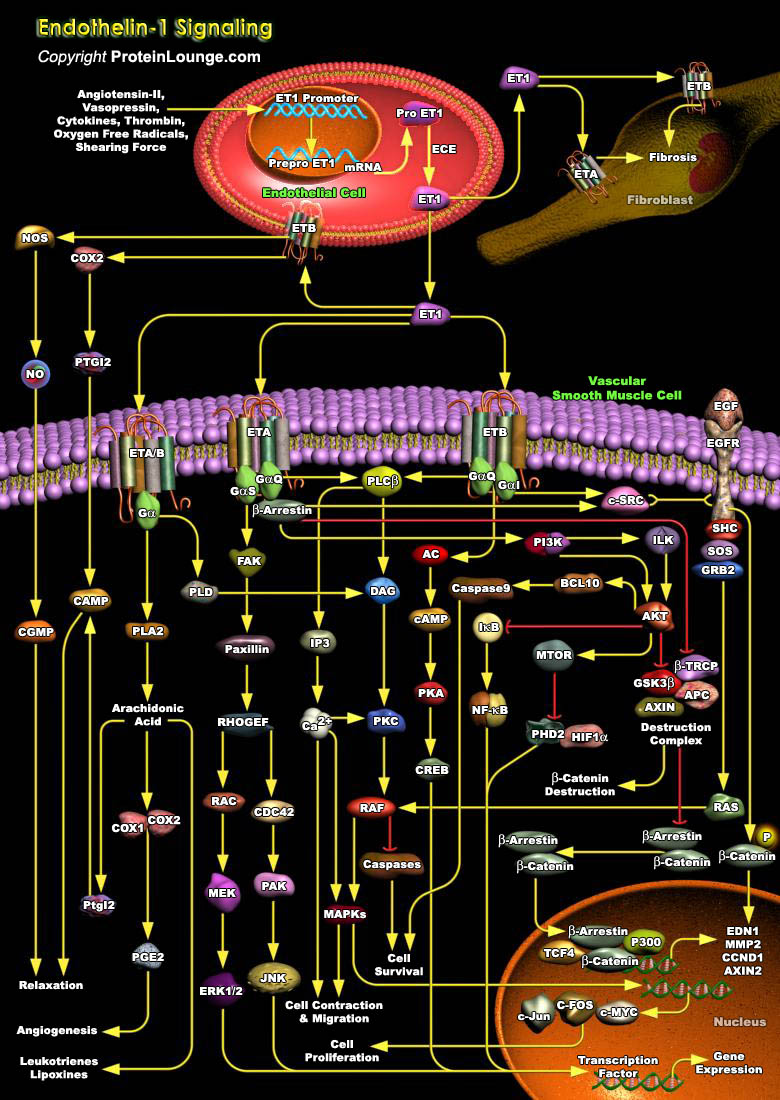
Cardiac hypertrophy describes an abnormal condition where the heart becomes enlarged. Several factors, such as increased mechanical loading and neuro-hormonal chemicals can induce hypertrophy. ET1 (Endothelin-1) is a 21-amino acid vasoconstrictor peptide, which is able to induce cardiac hypertrophy. In mammals this peptide family also includes ET2 and ET3. ET1 is the principal isoform in the human cardiovascular system and remains the most ubiquitous, potent, and unusually long-lasting constrictor of human vessels discovered. Biosynthesis of ET1 is primarily regulated by autocrine mechanisms, physico-chemical factors, including mechanical forces, changes in oxygen tension, changes in pH, Angiotensin-II, Vasopressin, Norepinephrine, growth factors, cytokines,[..]
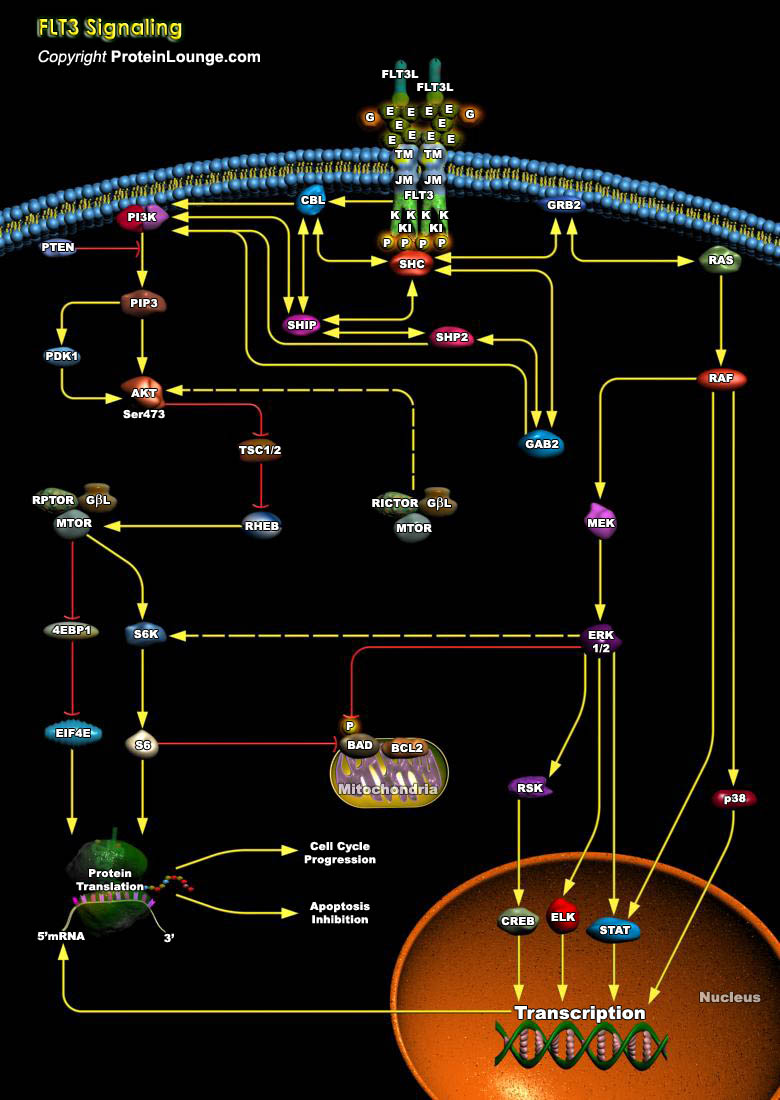
FLT3 (Fms-like Tyrosine Kinase-3), also known as FLK2 (Fetal Liver Kinase-2) and STK1 (human Stem Cell Kinase-1) was originally isolated as a hematopoietic progenitor cell-specific kinase, and belongs to the Class-III RTK (Receptor Tyrosine Kinase) family to which c-Fms, c-Kit, and the PDGFR (Platelet Derived Growth Factor Receptor) also belong (Ref.1). Normal expression of FLT3 is restricted to haemopoietic progenitor cells in the bone marrow, thymus and lymph nodes, but is also found on other tissues such as placenta, brain, cerebellum and gonads. Aberrantly expressed FLT3 is observed at high levels in a spectrum of hematologic malignancies including 70% to 100% of AML (Acute Myelogenous Leukemia), B-precursor cell ALL (Acute Lymphoblastic Leukemia), a fraction of[..]
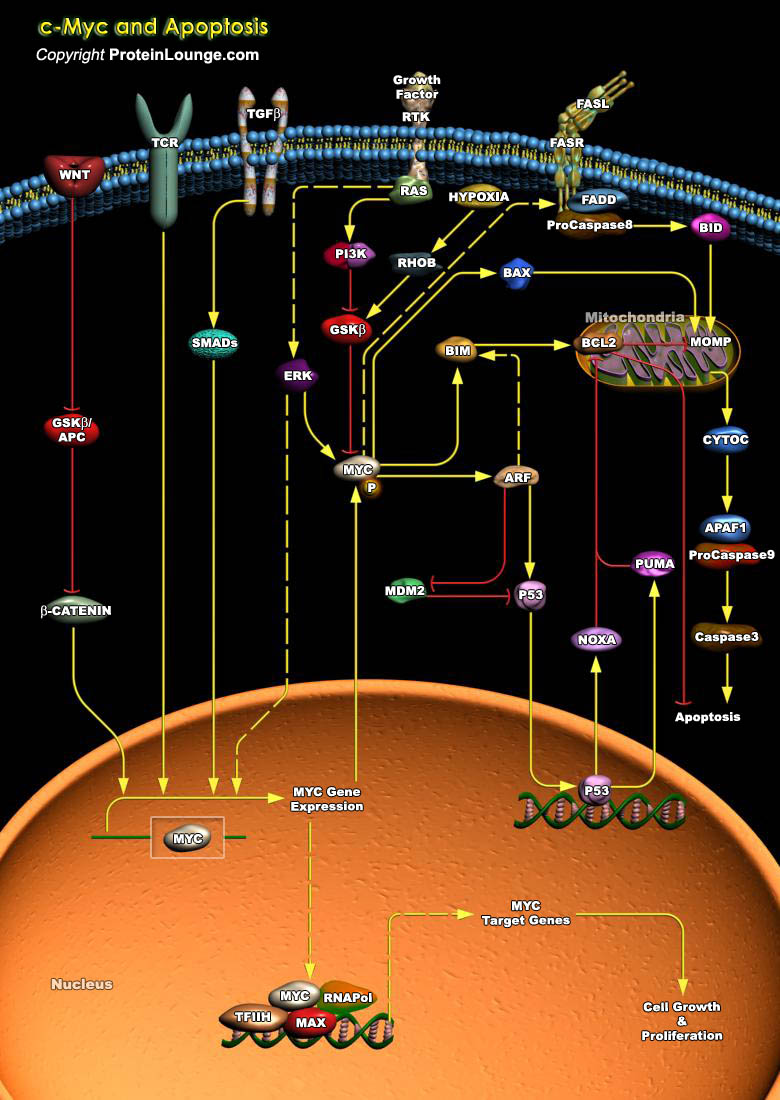
Many proto-oncogenes participate in the regulation of apoptosis and closely intertwined with their actions are various growth factors and other genes that participate in the control of cellular growth. The proto-oncogene c-Myc encodes a transcription factor c-Myc that plays a critical role in multiple cellular processes including cell growth, proliferation, differentiation, and apoptosis. Expression of c-Myc is rapidly induced by mitogens and is down regulated during differentiation. c-Myc activity is sufficient to drive cells into the cell cycle in the absence of growth factors but also induces apoptosis when survival factors are missing. Deregulated expression of c-Myc is associated with a wide array of human cancers. Thr-58 is a major phosphorylation site in c-Myc[..]
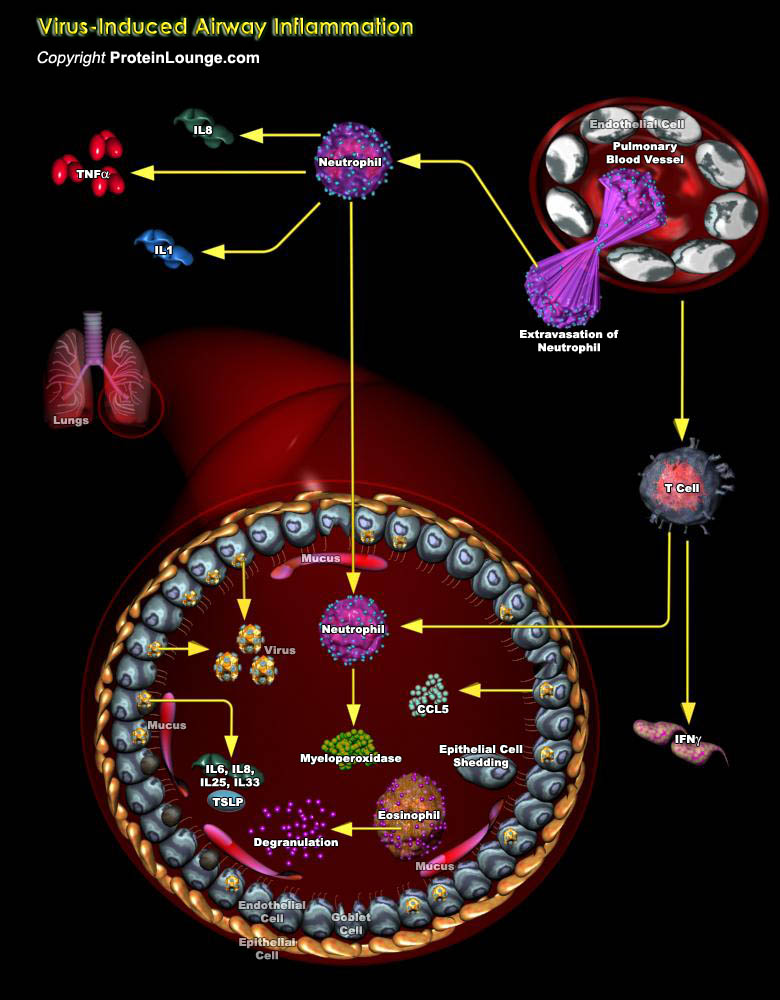
More than 200 different types of viruses, such as human Rhinovirus (HRV), human Metapneumovirus (HMPV), Respiratory Syncytial Virus (RSV), and human Parainfluenza Virus (HPIV), are known to cause acute respiratory illness. Virus-induced cytokine production and inflammatory cell activation are instrumental in the development of neurogenic inflammatory responses, and these combined factors increase bronchoconstriction in response to allergens or irritants. Respiratory viruses primarily infect and replicate within airway epithelial cells. During the replication process, the cells release antiviral factors and cytokines that alter local airway inflammation and airway niche. In a healthy airway, the inflammation normally leads to type 1 inflammatory responses consisting of[..]
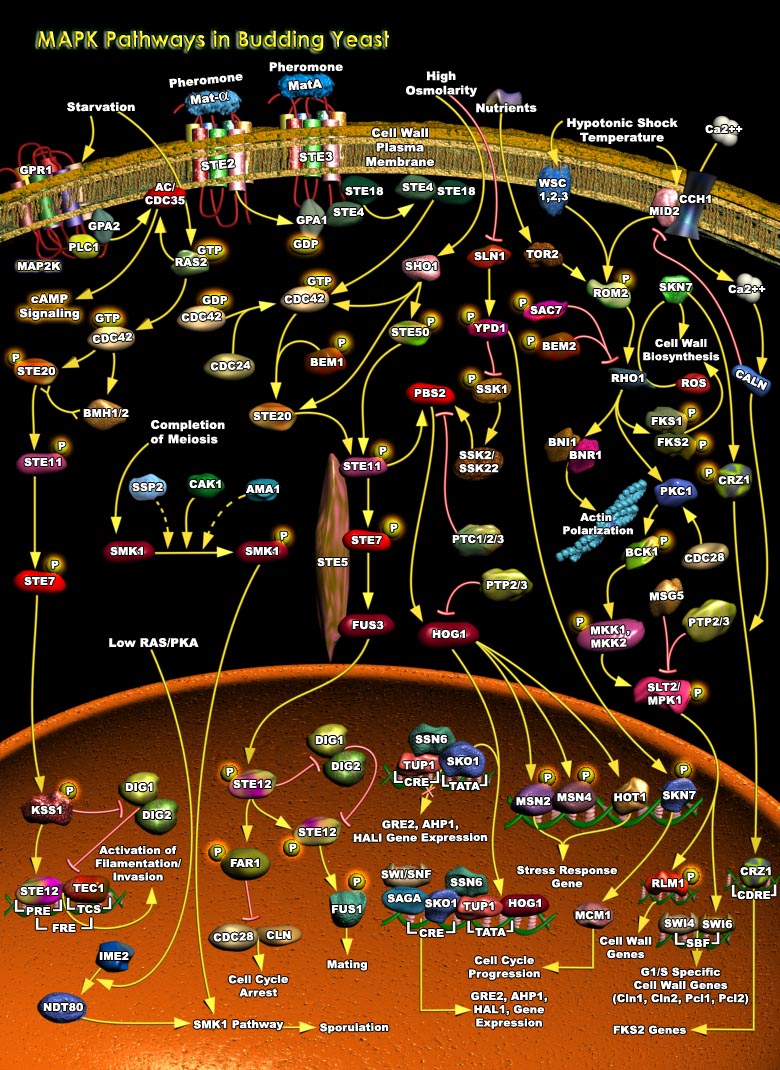
MAPK (Mitogen-activated protein kinases) are serine-threonine protein kinases that are activated by diverse stimuli ranging from cytokines, growth factors, neurotransmitters, hormones, cellular stress, and cell adherence. MAPKs are expressed in all eukaryotic cells. The basic assembly of MAPK pathways is a three-component module conserved from yeast to humans. The MAPK module includes three kinases that establish a sequential activation pathway comprising a MKKK (MAPK Kinase Kinase), MKK (MAPK Kinase), and MAPK. Yeast probably represents the experimental model where the organization and regulation of MAPK pathways are best understood. Presently, five MAPK pathways have been well characterized in the budding Yeast, Saccharomyces. cerevisiae. The four MAPKs present in[..]
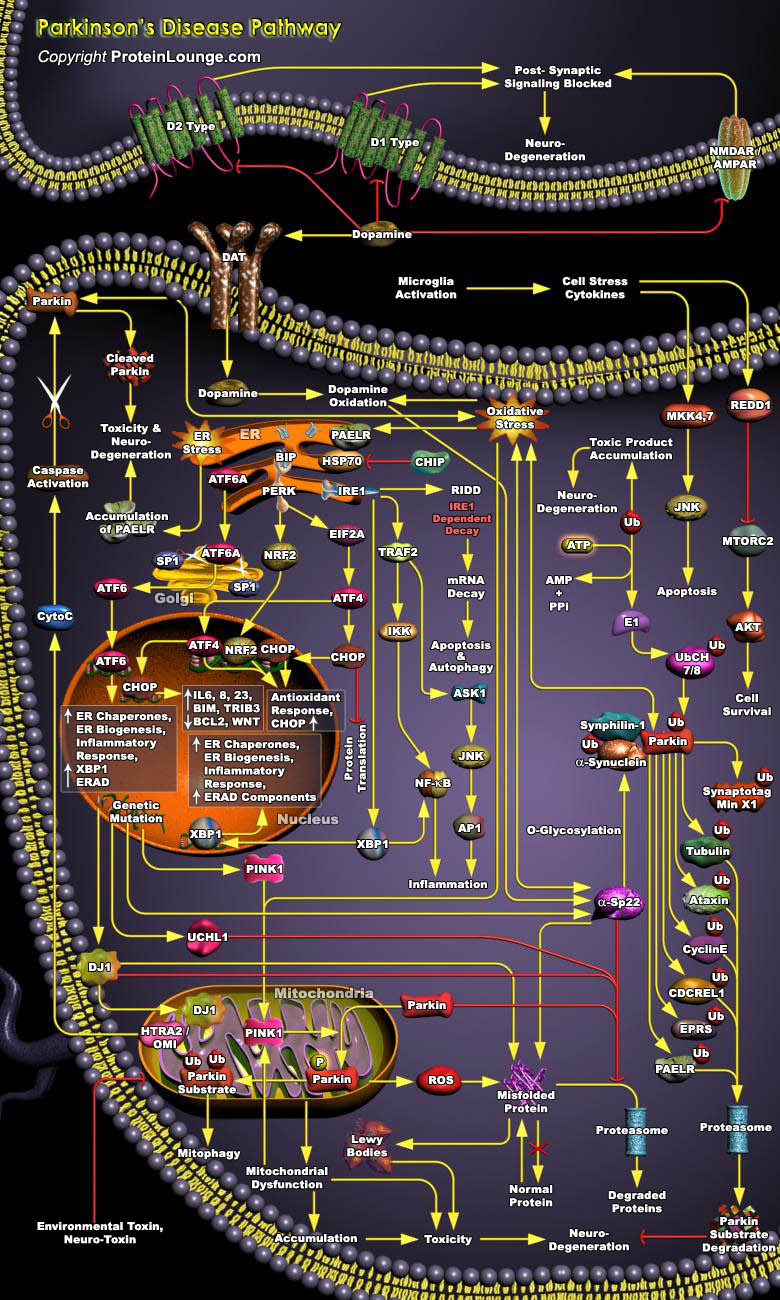
Parkinson's disease is a Neurodegenerative disorder characterized by the progressive loss of Dopaminergic neurons in the substantia nigra and the appearance of intracellular inclusions, named Lewy bodies and Lewy neurites in the remaining nigral neurons. The Substantia nigra is located in the midbrain region of the brain. It consists of two parts: the SNc (pars compacta), and the SNr (pars reticulata). The pars compacta produces dopamine and is the part that degenerates in Parkinson's disease. It is the second most common form of neurodegenerative disease after Alzheimer's, affecting about 1% of people over 65 years old and 4-5% of people over 85 years. Symptoms of Parkinson's disease include a resting tremor, rigidity, bradykinesia, gait dysfunction[..]
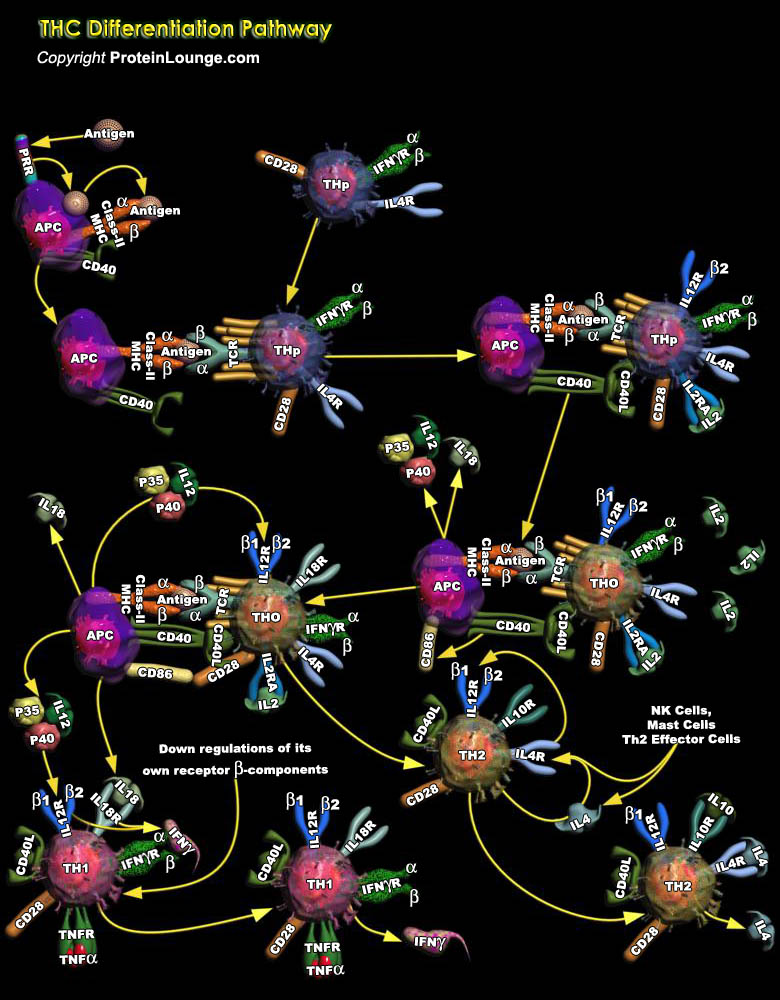
During infection, T and B-lymphocytes recognize microbes by means of antigen-specific cell-surface receptors. The humoral immune response is mediated by B cells and the antibodies they produce. T-lymphocyte response to antigenic challenges is called the cellular immune response. T-lymphocytes can be categorized and functionally divided into CD4+ (T-helper lymphocytes) cells and CD8+ (cytotoxic T-lymphocytes) by the type of antigen receptors and a small number of accessory markers on their cell surface. There are three different classes of CD4+ T-lymphocytes, or helper T cells: TH1, TH2 and TH3) (Ref.1). The abbreviations TH1 (T-helper Cell type 1) and TH2 (T-Helper Cell type 2) refer to CD4+ alpha-beta TCR T-Cell subsets that provide help to cells of both the innate[..]