

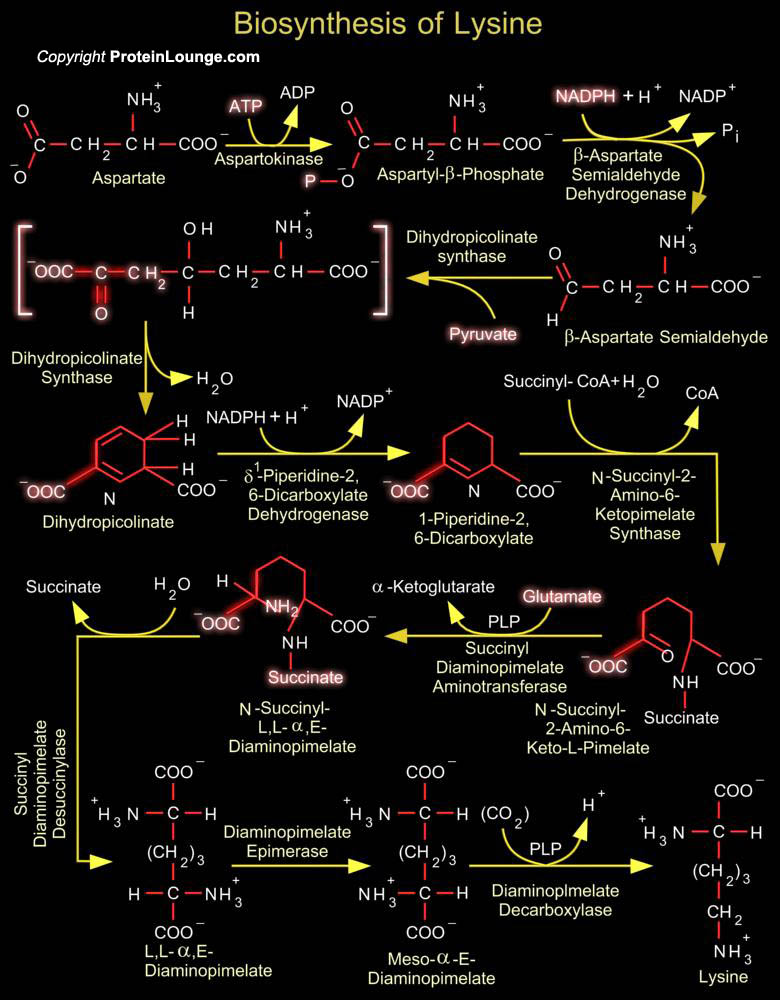
The amino acid L-lysine is synthesized by plants and microorganisms by two different pathways, one proceeding via Diaminopimelate and the other via Alpha-Aminoadipate. Humans, however, cannot synthesise the compound and so it is an essential part of their diet. The Diaminopimelate pathway operates in bacteria, lower fungi and green plants. This pathway is the source of the lysine and Diaminopimelate incorporated into bacterial cell wall peptidoglycan and therefore there has been extensive investigation of its enzymes with a view to the development of new antibacterial agents. In Euglenoids and higher fungi lysine biosynthesis occurs via the Homocitrate-Aminoadipate pathway. An intermediate on this pathway (Alpha-Aminoadipic acid) is necessary for Beta-lactam antibiotic[..]
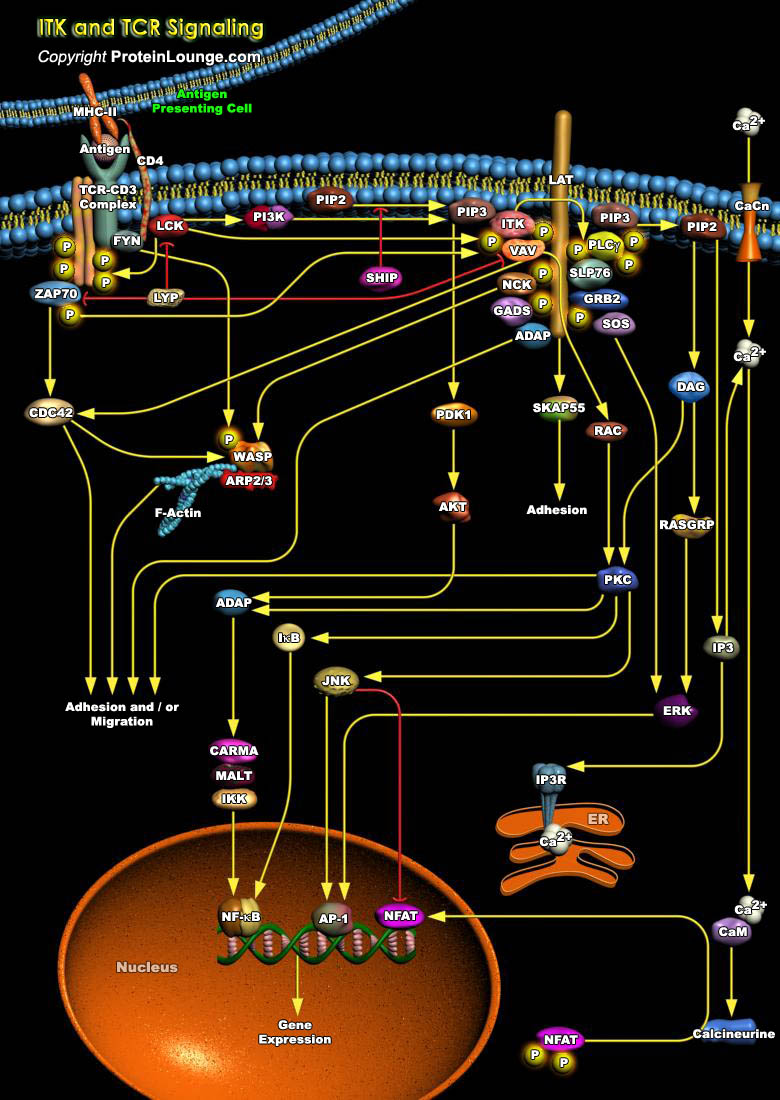
Development of a proper immune system requires the selection of lymphocytes expressing a useful repertoire of antigen receptors that can respond to foreign or dangerous antigens but not to self. For T-Cells developing in the thymus, these selection processes include both positive and negative selection of immature CD4 and CD8 cells, helping shape the mature T-Cell repertoire. These processes are regulated in large part through the interactions between the TCR (T-Cell Antigen Receptor) expressed on a given thymocyte and peptides presented in the context of either Class-II or Class-I MHC molecules. In T-Cells, at least three Tec Kinases are expressed: Tec, RLK (Resting Lymphocyte Kinase)/TXK and ITK (Inducible T-Cell Kinase), which have expression primarily restricted to[..]
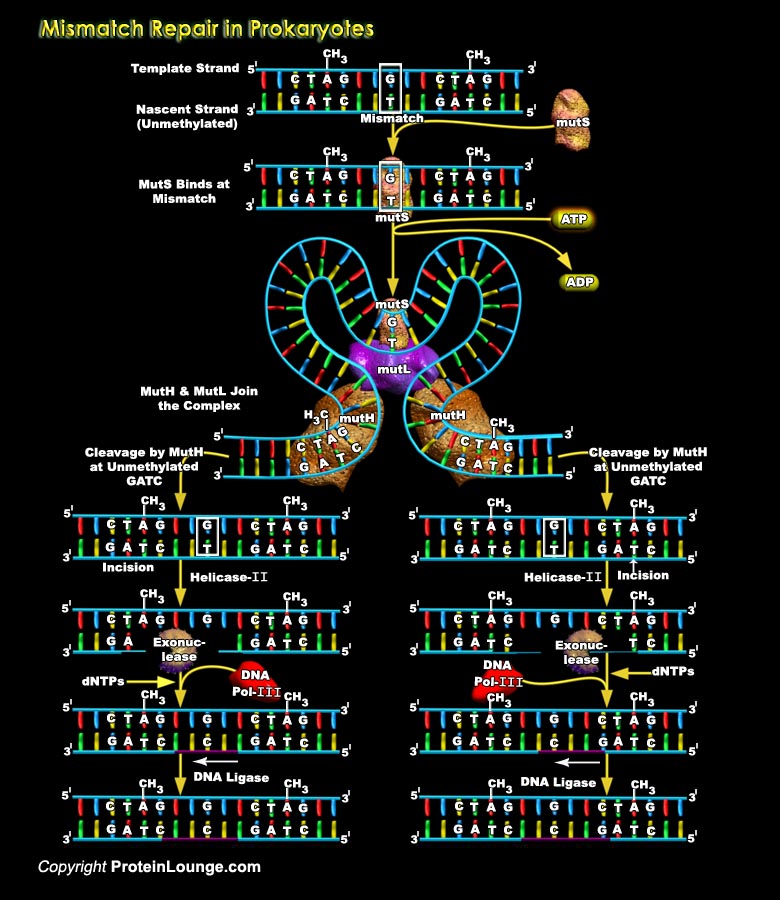
The integrity of genetic information depends on the fidelity of DNA replication and on the efficiency of several different DNA repair processes. Among many types of DNA repair, the general MMR (DNA Mismatch Repair) pathway is responsible for correcting base substitution mismatches which is generated during DNA replication in organisms from bacteria to mammals. The MMR system improves the fidelity of DNA synthesis by 100-1000 fold. The MMR also corrects IDLs (Insertion-Deletion Loops) which may occur during replication and recombination of DNA. MMR also able to correct DNA damages caused by internal or external sources. Inactivation or deterioration of this pathway has been linked to a variety of cancers, most notably Hereditary Non-Polyposis Colorectal Cancer. MMR can[..]
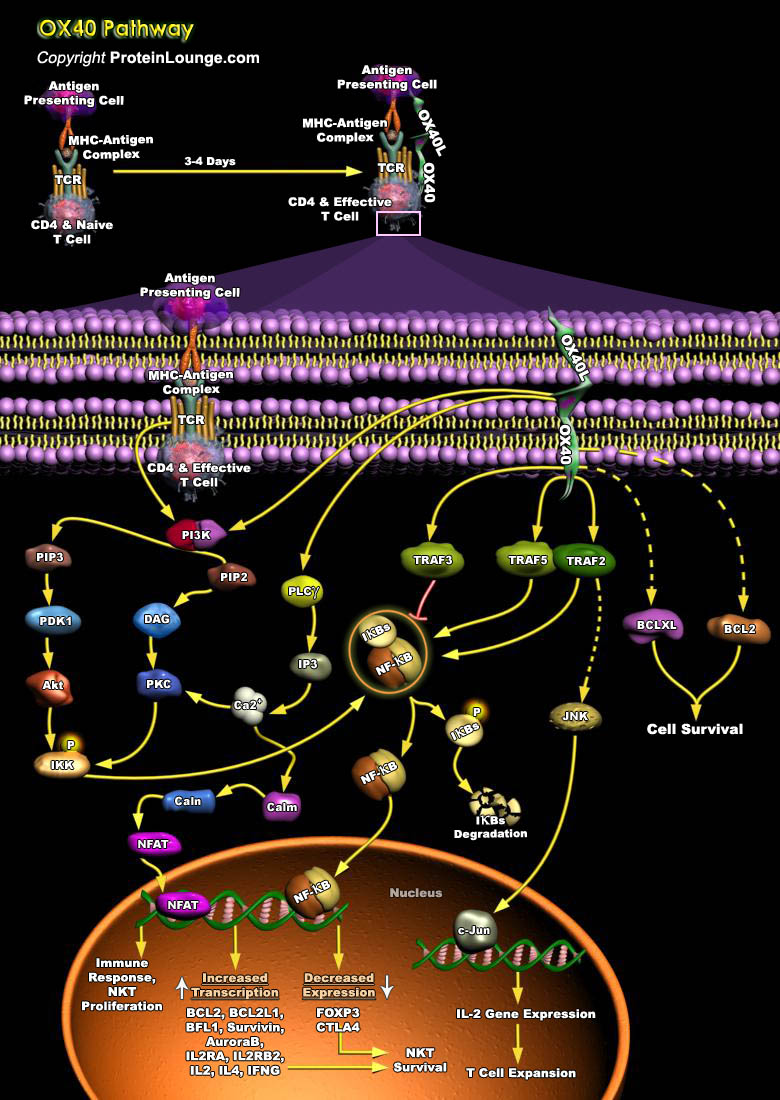
OX40 is an approximately 50-kD transmembrane glycoprotein of 249 amino acids, with a 49 amino acid cytoplasmic tail and a 186 amino acid extracellular region. It is a member of the TNFR (tumor necrosis factor receptor) superfamily and has three complete and one truncated cysteine-rich domains. It is a T-Cell activator that is believed to promote the survival (and perhaps prolong the immune response) of CD4+ T cells at sites of inflammation (Ref.1). OX40’s ligand (OX40L, also known as gp34, CD252, TNFSF4), a member of the TNF (Tumor Necrosis Factor) super family, is a 32 kDa protein, which has about 183 aa residue glycosylated polypeptide that consists of a 23 amino acid cytoplasmic tail and a 133 amino acid extracellular domain. It is a type II glycoprotein that[..]
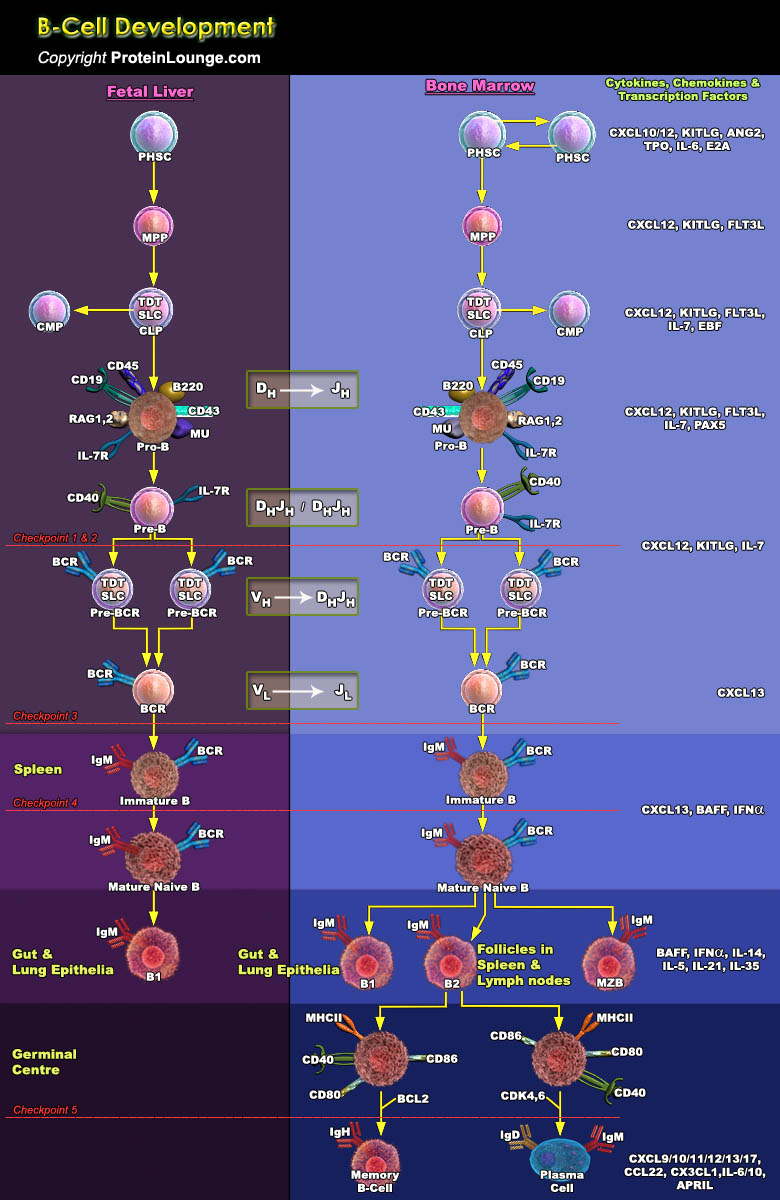
B lymphoid cells are essential for the humoral immune response by producing a diverse range of antigen-specific antibodies. Antibody-mediated immunity is provided by two distinctive B cell lineages that diverge early in life. The better-known conventional, or B2, B cells provide adaptive immunity by producing high-affinity pathogen-specific antibodies, typically in a T cell-dependent manner. The pool of B2 cells is constantly replenished from hematopoietic stem and progenitor cells in the bone marrow [Ref.1]. B1a cells provide innate-like immunity by producing “natural” low-affinity, broad-specificity antibodies against a wide range of overlapping antigens, including self-antigens. In contrast to B2 cells, the pool of B1a cells is largely established at[..]
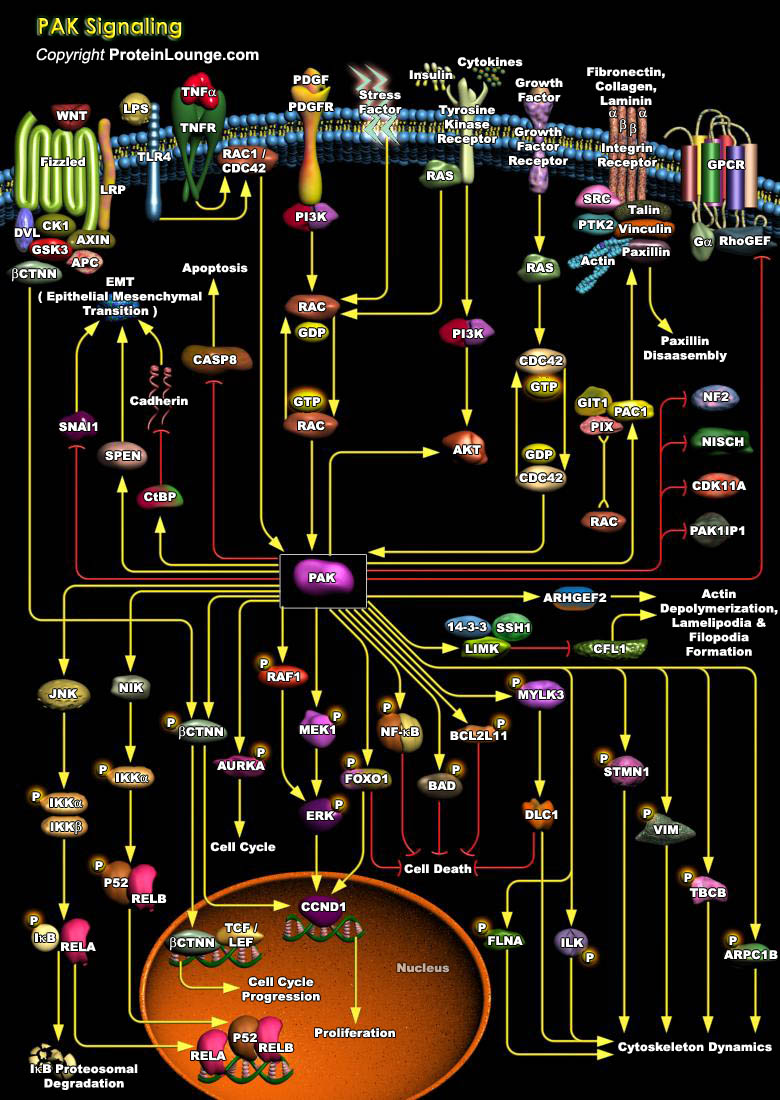
p21-activated kinase (PAK) family of serine/threonine protein kinases are downstream effectors of the Rho family of GTPases (Rac and Cdc42). PAKs are found in most eukaryotes and play an evolutionarily conserved role in many cellular processes like cell proliferation, survival, gene transcription, transformation, and cytoskeletal remodeling (Ref.1). There are six PAK isoforms identified in humans that share a conserved catalytic domain located at the C-terminus. They have been classified into two groups (I and II) according to the similarity of their catalytic domains, and regulatory mechanisms. The C-terminal kinase catalytic domain is similar among all human PAKs where as the N-terminal regions are more variable. Group I PAKs consists of (isoforms 1, 2 and 3) where[..]
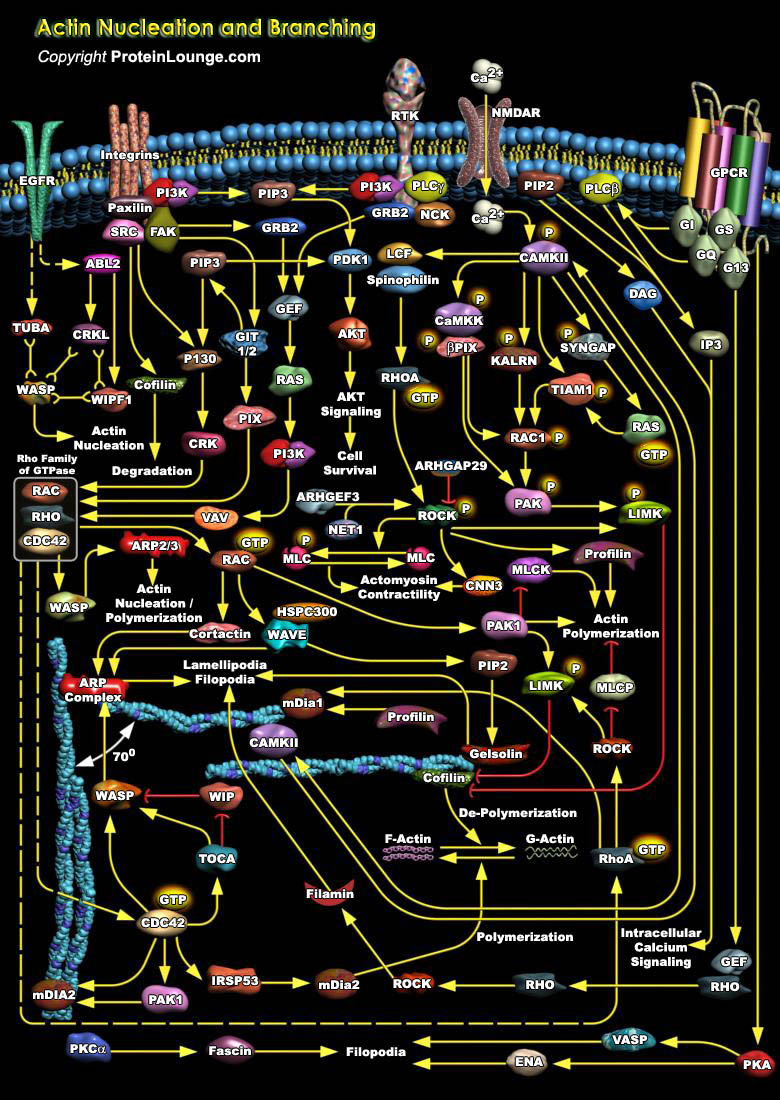
The actin family is a diverse and evolutionarily ancient group of proteins that provide the supportive framework to the three-dimensional structure of eukaryotic cells. It provides the forces that enable the cell to adopt a variety of shapes and to undertake directed movements. Certain cell types, such as polymorphonuclear leukocytes, monocyte/macrophages, and metastatic cells, are able to move rapidly through tissues and these movements are mediated by the actin cytoskeleton (Ref.1). An important property of actin is its ability to produce movement in the absence of motor proteins. At the cell membrane actin microfilament assembly protrudes the membrane forward producing the ruffling membranes in actively moving cells. These microfilaments also play a passive[..]
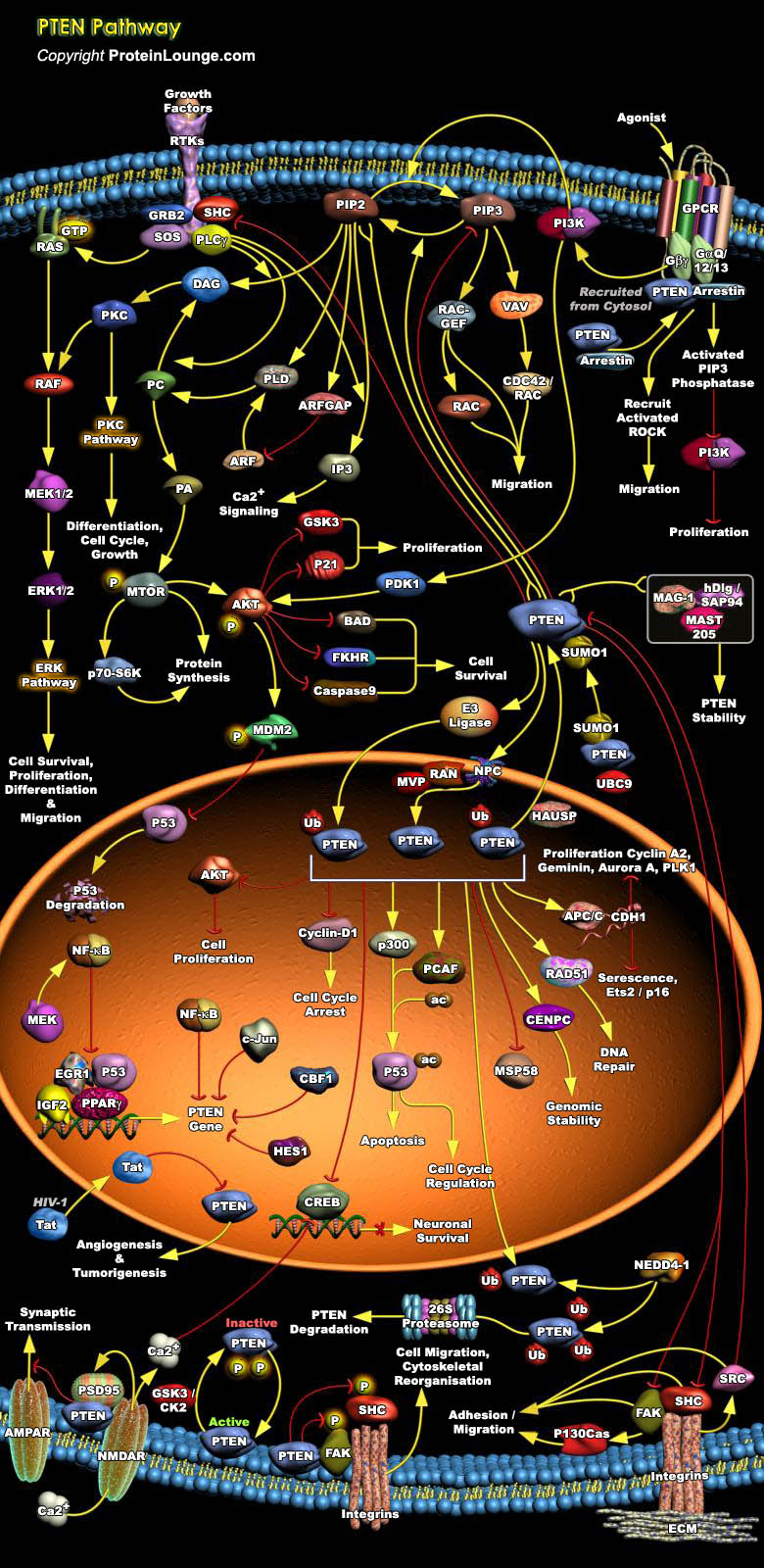
Phosphatase and tensin homolog deleted from chromosome 10 (PTEN) is a tumor suppressor protein, that is linked to AKT signaling, critically controlling proliferation, survival, migration, energy metabolism and cellular architecture in hematopoietic cells. PTEN is a dual-specificity protein phosphatase and an inositol phospholipid phosphatase that dephosphorylates phosphatidylinositol 3,4,5-trisphosphate (PIP3), thus producing phosphatidylinositol 4,5-bisphosphate (PIP2) and thereby negatively regulating oncogenic and nononcogenic PI3K/AKT signaling. PTEN may have additional phosphatase-independent activities, as well as other functions in the nucleus (Ref.1 and 2). PTEN's tumor-suppressing function largely relies on the protein's phosphatase activity and subsequent[..]
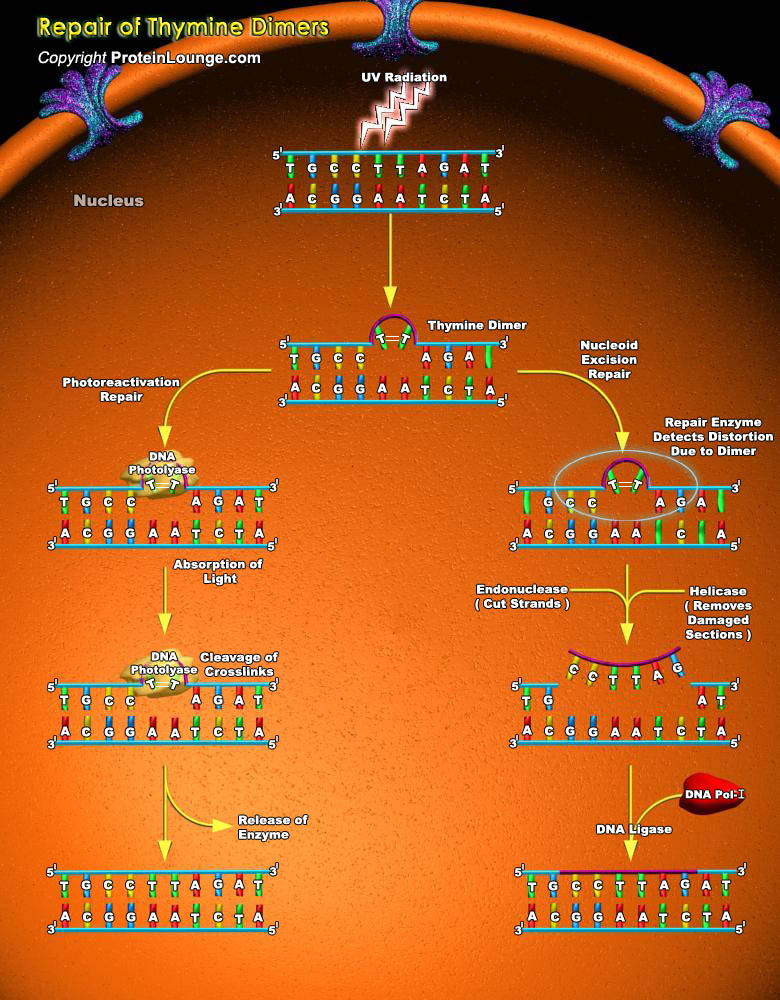
Irradiation of DNA by UV (Ultraviolet light) causes lesions, such as Cyclobutane-Pyrimidine Dimers or 6-4PPs (6-4 Pyrimidine Pyrimidone). The most common covalently linked adjoining pyrimidines are T-T (Thymine dimers), T-C (Thymine-Cytosine dimers) and C-C (Cytosine-Cytosine dimers). T-T dimers cause kinks in the DNA strand that prevent both replication and transcription of that part of the DNA. Because they block DNA replication (and therefore prevent cells from reproducing), T-T dimers and other forms of UV damage cannot be inherited, and thus do not constitute mutations. Such kinds of DNA damage are known as premutational lesions because they prevent both transcription and replication of the genes in which they are present and these lesions are fatal if they go[..]
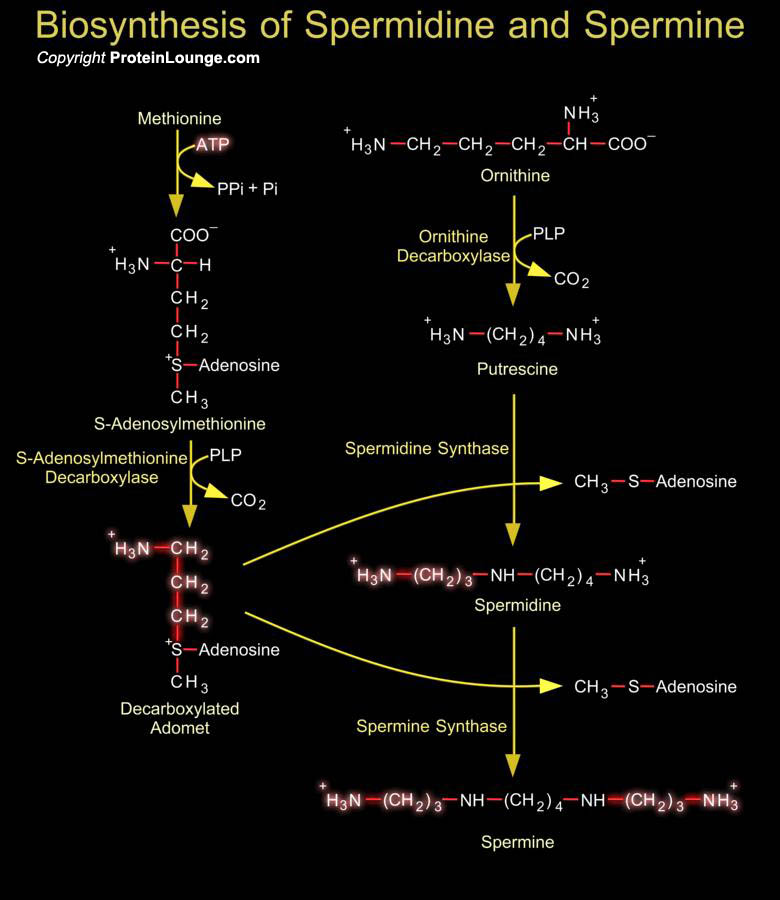
The polyamines Spermidine and Spermine are naturally occurring ubiquitous polycations involved in the regulation of cell growth, differentiation, apoptosis and progression through the cell cycle. (Ref.1). Cellular polyamine levels are regulated by multiple pathways such as synthesis from amino acid precursors, cellular uptake mechanisms that salvage polyamines from diet and intestinal microorganisms, as well as stepwise degradation and efflux (Ref.2). Putrescine and S-Adenosylmethionine are the obligate precursors for Spermidine and Spermine. In mammals Putrescine is formed by decarboxylation of Ornithine by the action of Ornithine Decarboxylase. Ornithine, one of the starting materials for polyamine biosynthesis, is derived from the amino acid Arginine as part of[..]
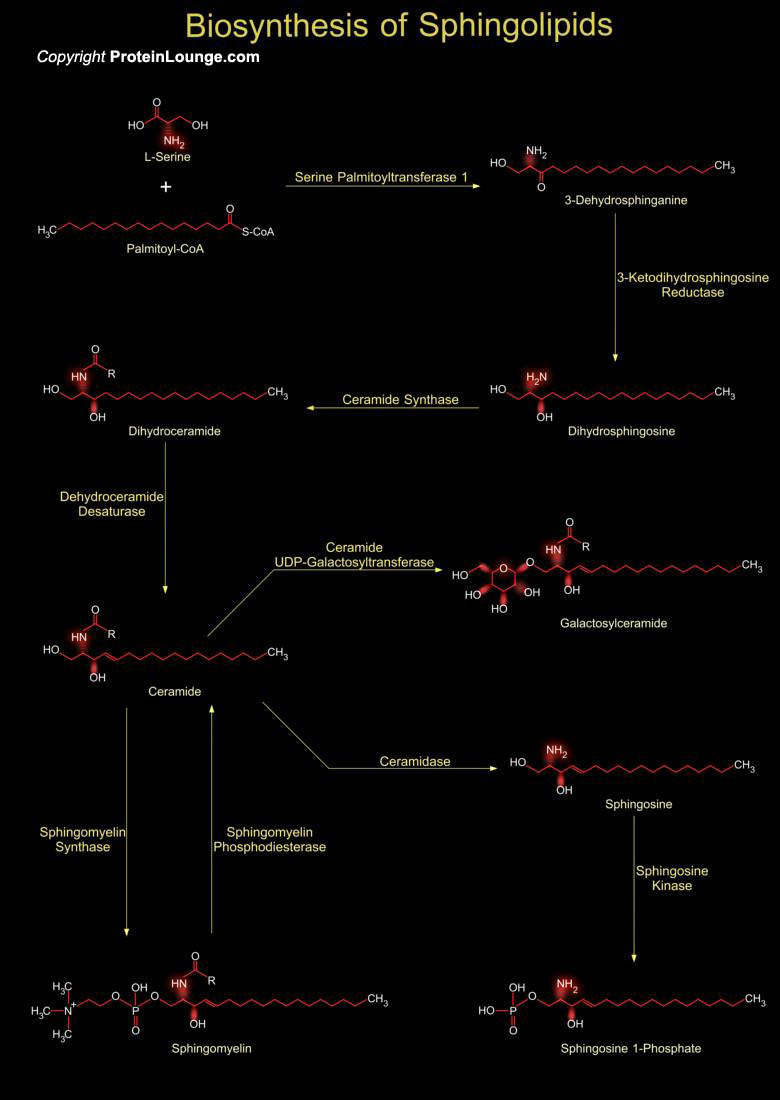
Sphingolipids structural components of the cell membrane play a key role in the regulation of several cellular processes. Cell signaling related to sphingolipids induces apoptosis, cell cycle arrest and cell growth. There are multiple bioactive sphingolipids metabolites which include ceramide, sphingosine-1-phosphate, sphingosine, and sphingomyelin which may act as secondary messengers in cellular signal transduction pathways. Sphingolipids are abundant components of the myelin sheath which protects and insulates cells of the central nervous system. Sphingolipids are also found in plant cells and yeast and are derivatives of the base sphingosine (phytosphingosine in plants). Sphingolipids are a class of lipids with two non-polar tails (sphingosine and fatty[..]
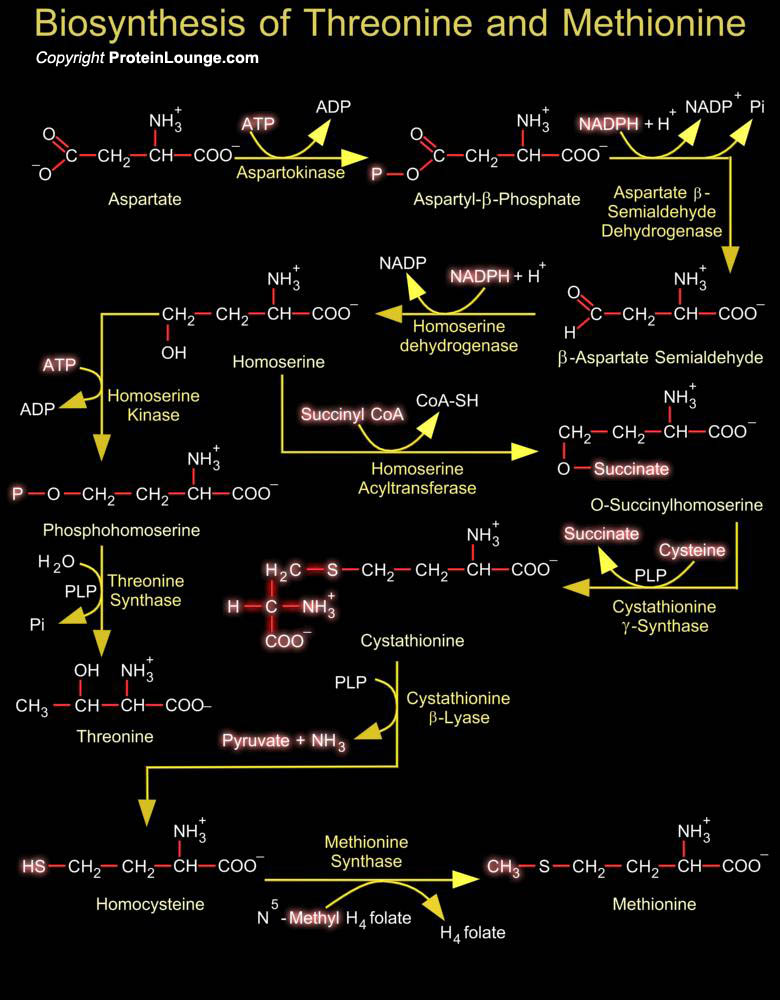
Threonine is an alcohol-containing amino acid that can not be produced by metabolism and must be taken in the diet. This amino acid plays an important role along with Glycine and Serine in Porphyrin metabolism. Threonine is incorporated into proteins and enzymes at a molar rate of 6 percent compared to the other amino acids. Methionine is the only sulfur-containing amino acid that is essential for mammals and must therefore be derived entirely from the diet. Methionine is an important amino acid that helps to initiate translation of mRNA (messenger RNA) by being the first amino acid incorporated into the N-terminal position of all proteins. This sulfur-containing amino acid is also the source of sulfur for Cysteine in animals and man. In that regard, Methionine is[..]